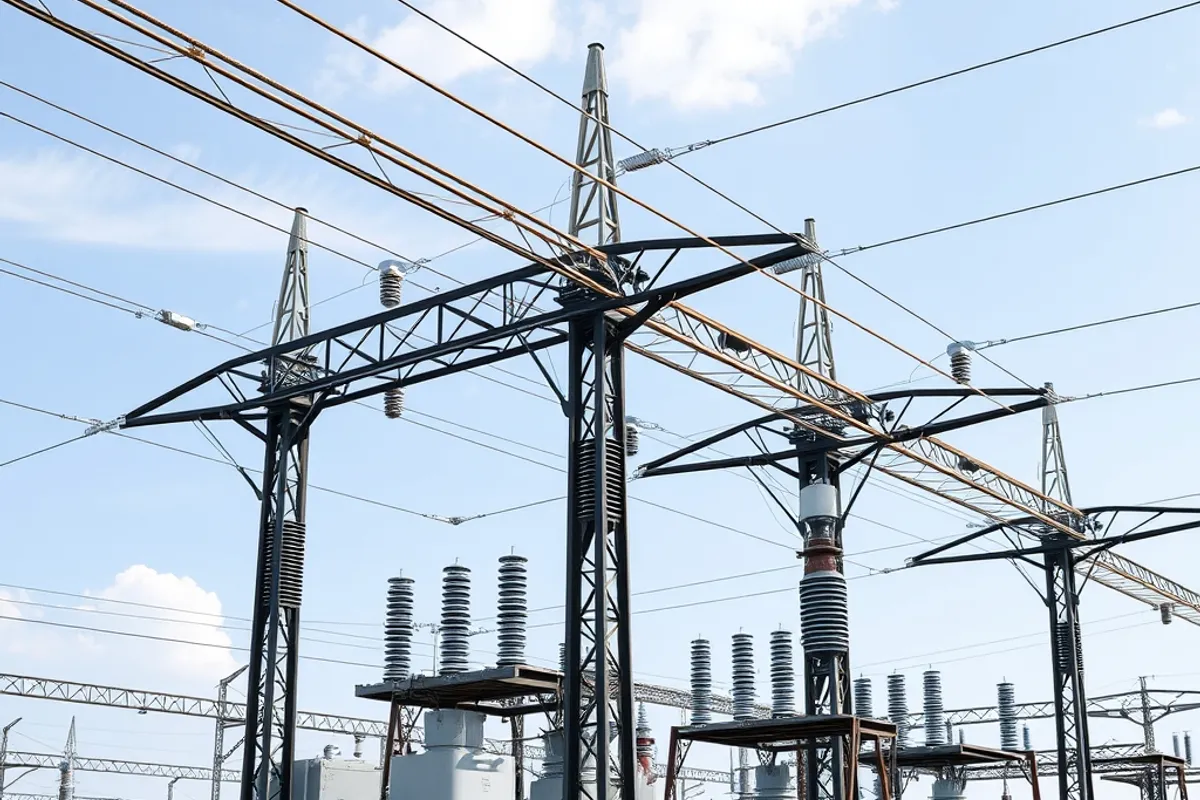
Factory orders rose for a third consecutive quarter in 2026, and the strongest gains were not in consumer goods. They were in the unglamorous equipment that keeps electricity moving: transformers, switchgear, cables and the steel frames that hold them up.
The reason is simple. Utilities are spending on networks after years of underinvestment, and the spending arrives as purchase orders at factories that had spent the previous decade running below capacity. The rebound is real, but it is narrower than the headline suggests.
Where the orders are coming from
Grid operators account for most of the increase. Data centre builders are second. Both need the same components, and both are willing to sign longer contracts to secure delivery slots. That is a change from the spot-market habits of the past.
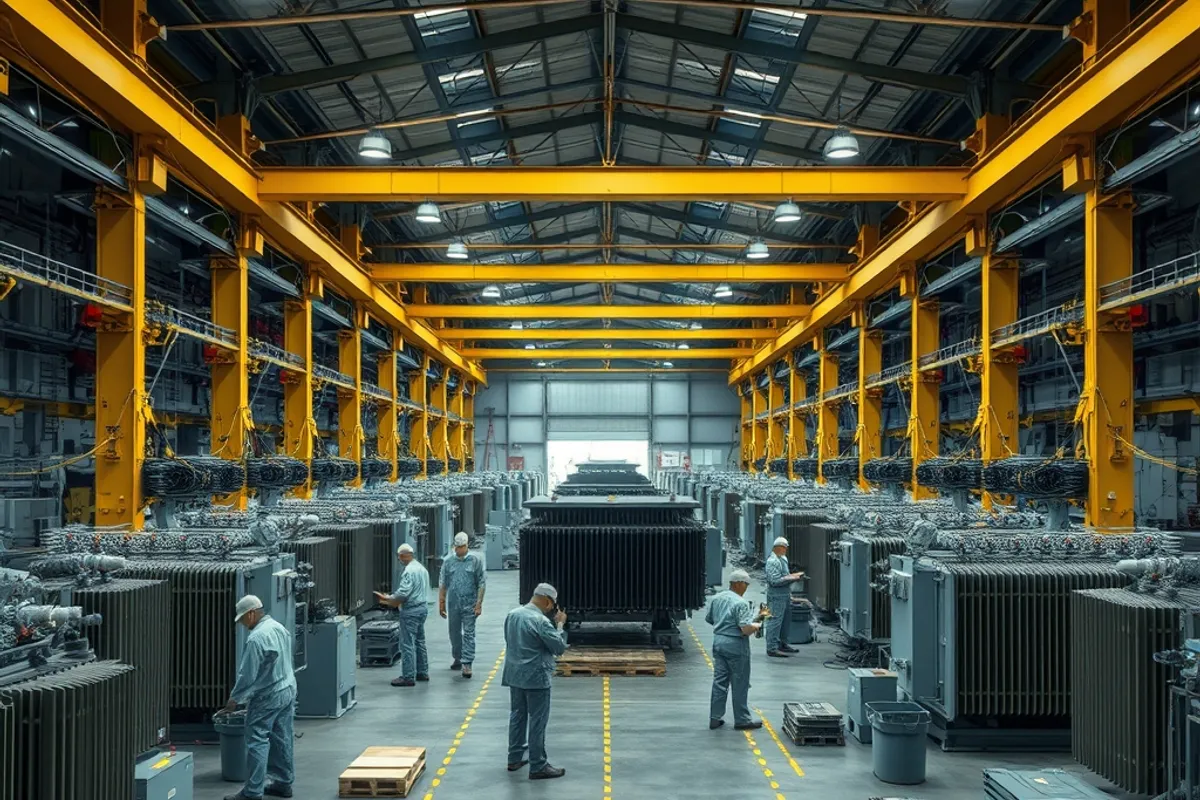
The order mix matters. A transformer takes months to build and years to permit. A cable order can be fulfilled faster. The factories with the longest lead times are the ones reporting the fullest books, which is why delivery dates have moved from weeks to quarters.
The capacity problem
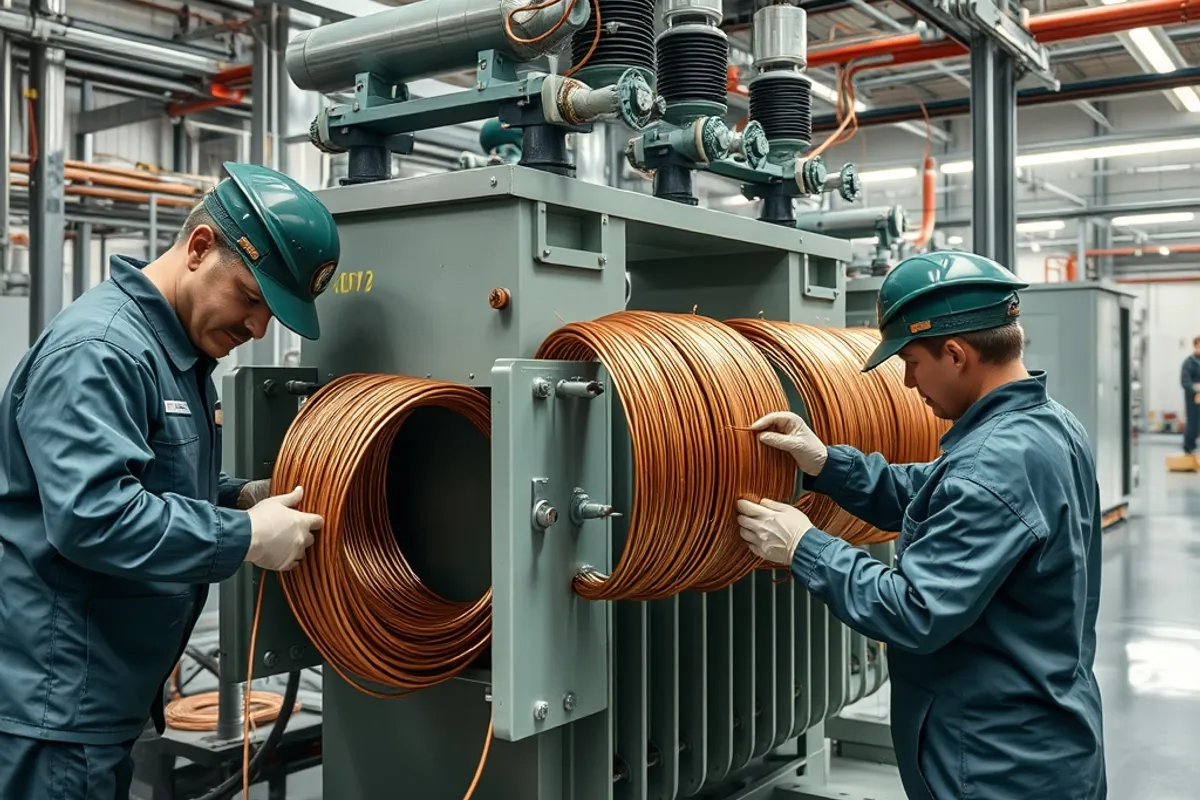
Factories can add shifts faster than they can add buildings. A new transformer plant takes two to three years to commission, and the specialised winding equipment is itself in short supply. That is why order growth has not yet translated into a surge in output.
Some buyers are responding by refurbishing old equipment rather than replacing it. That keeps the lights on but does not add capacity. It also creates a secondary market for used transformers, with prices that would have looked absurd five years ago.
The order book is a promise, not a product. Until the copper arrives and the welder is on shift, the backlog is just paper.
Copper, steel and the input squeeze
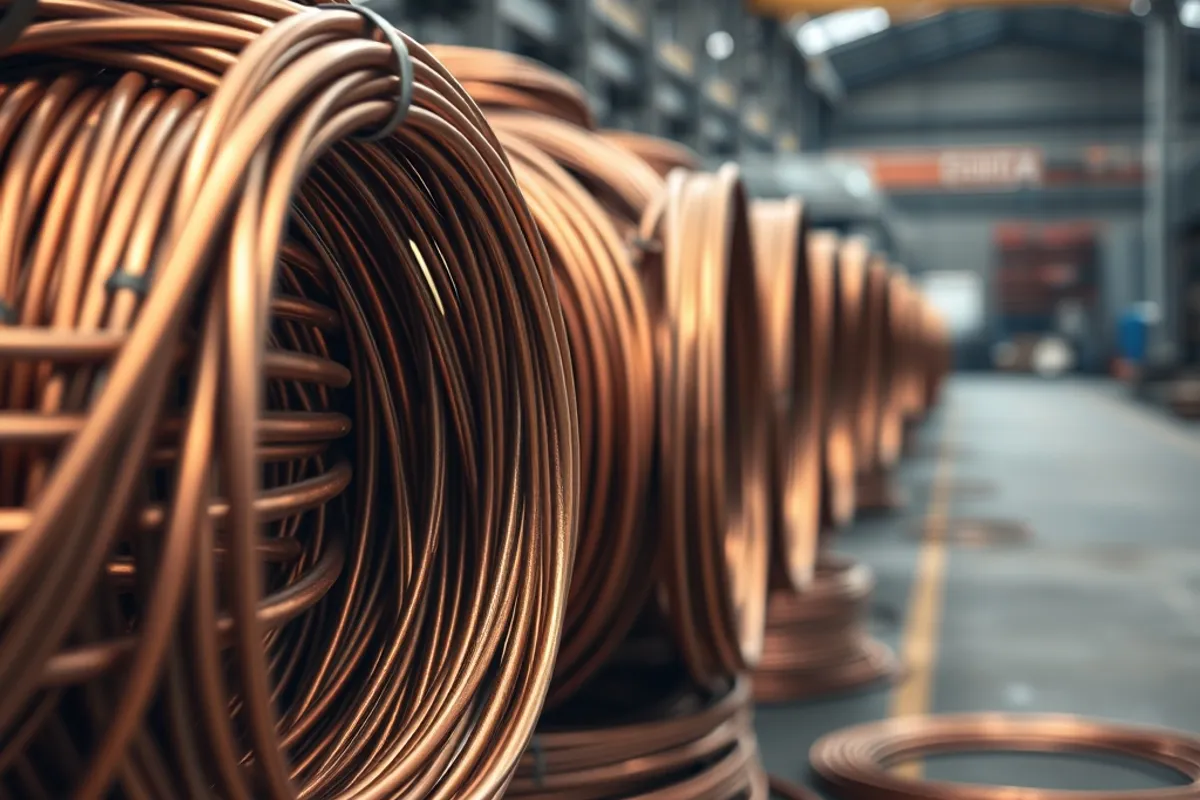
Copper prices have been volatile, and the war for scrap has intensified. Steel is easier to source but harder to certify for some grid applications. Both inputs sit at the front of the cost curve, which means a small move in the metal market can wipe out a factory's margin.
Several manufacturers have moved to indexed contracts, passing part of the commodity risk back to the utility. That protects the factory but makes the final project cost less predictable for the public purse.
Key facts
- Factory orders rose for a third consecutive quarter.
- Grid equipment and data centre demand drove most of the gain.
- Transformer lead times are now measured in quarters.
- A new transformer plant takes two to three years to commission.
- Copper volatility is being shared through indexed contracts.
The skills gap
The industry needs winders, test technicians and maintenance engineers. Those are not jobs that can be filled with a two-week course. Employers describe a shortage of experienced people that is worsening as the current workforce retires.
Apprenticeships are expanding, but the pipeline is slow. In the meantime, factories are paying overtime and competing for the same small pool of specialists. That adds to cost and limits how fast the backlog can clear.
The bottom line
The industrial rebound is genuine and narrowly based. Grid investment has given factories a multi-year order book, but physical capacity, metals and skilled labour set the pace. The companies that invested in people before the boom will capture most of it.
Our Business desk tracks the money behind infrastructure. The Technology section follows the data centre demand feeding the same supply chain.