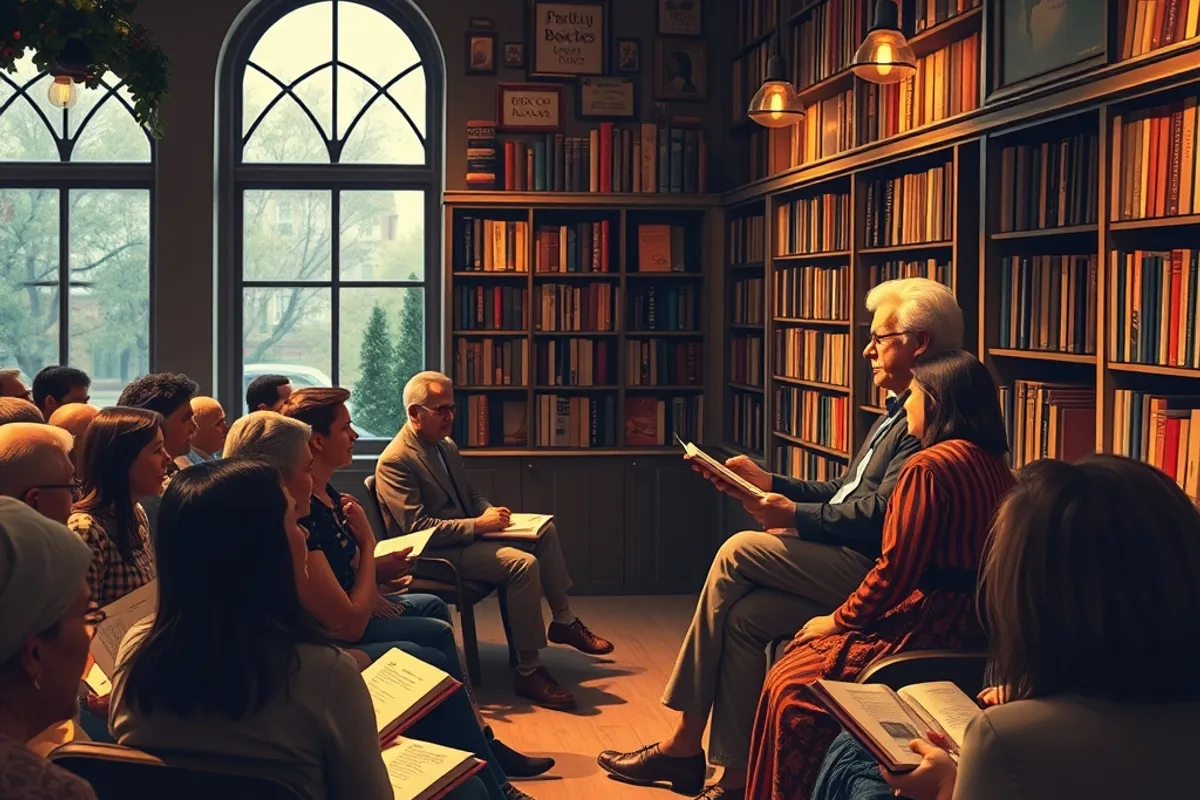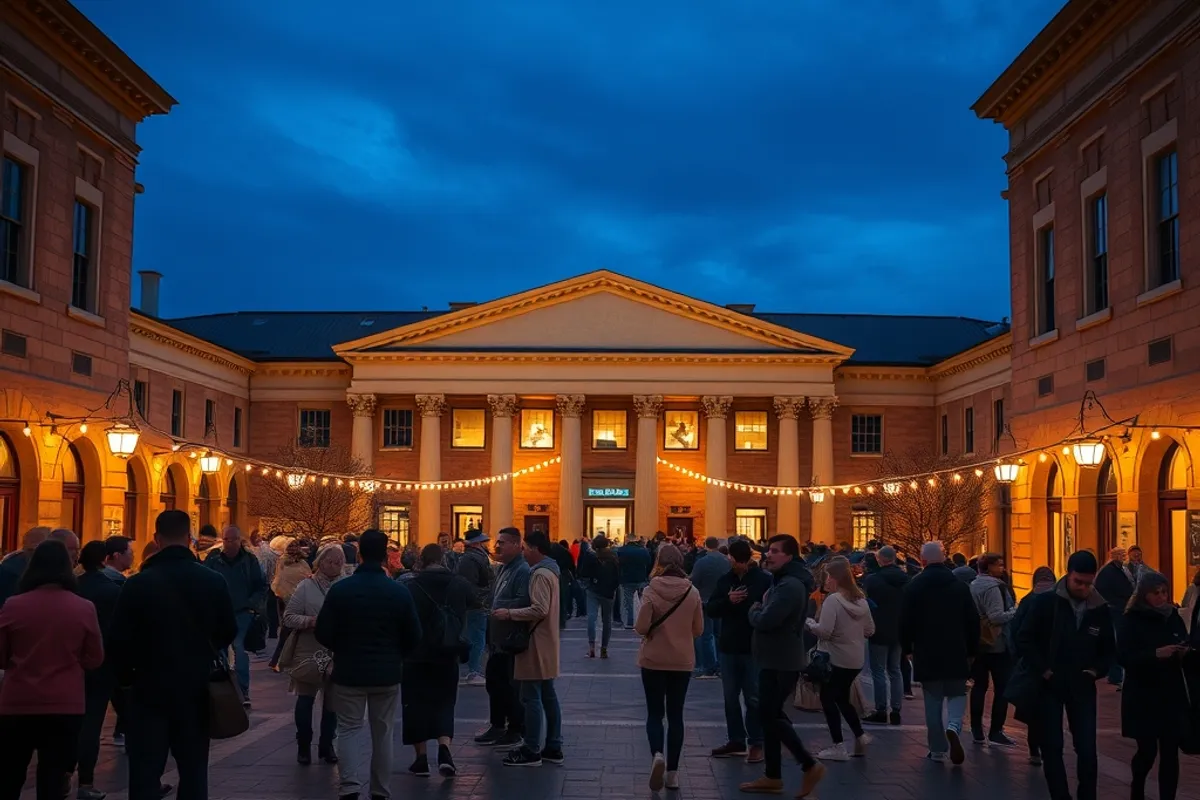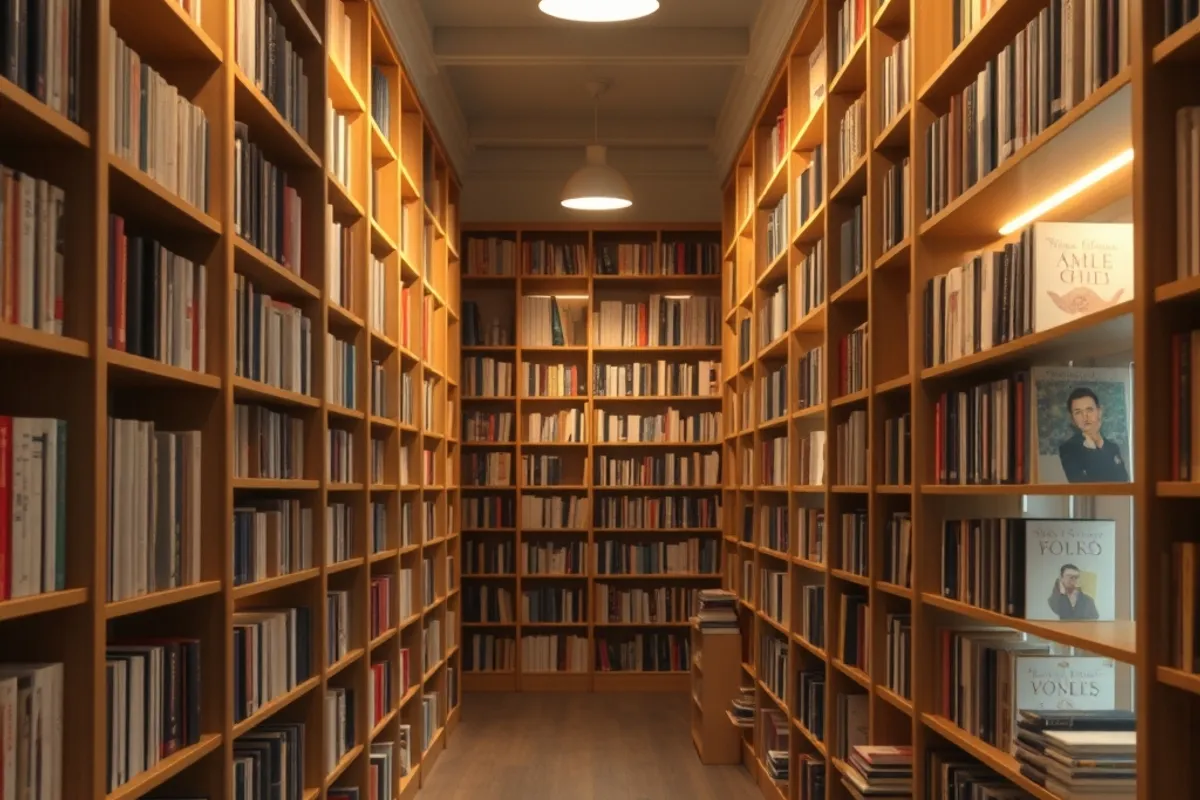
Independent bookshops were supposed to be finished. Online discounts, chain stores and then a pandemic were each predicted to end them. Instead, 2026 has brought a small wave of openings, mostly in smaller cities and in neighbourhoods where the nearest chain store closed years ago.
The new shops are not copies of the old ones. They run events, sell subscriptions and treat the shop floor as a place to meet rather than a warehouse with a till. The model is more social than retail, and it is working well enough to pay the rent, for now.
The numbers behind the revival
A typical new shop is small, often under a hundred square metres. It stocks fewer titles than a chain and turns them over faster. Events account for a growing share of revenue, not just as marketing but as ticketed evenings with authors, book clubs and workshops.
Subscriptions are the other pillar. A monthly payment buys a chosen book, a newsletter and a discount. The cash arrives before the stock is bought, which is a rare advantage in a business with thin margins.

Why the model works now
Three conditions have helped. Rents in secondary high streets are lower than they were. A generation of readers has grown tired of algorithm-driven recommendations. And local councils, keen to fill empty units, have offered short leases and small grants.
The owners we spoke to were careful not to overstate the boom. Most are still one bad quarter away from trouble. The ones that survive tend to have a clear identity, a loyal mailing list and a second income stream from events or a cafe.
A bookshop does not compete with a website on price. It competes on the hour you spend inside it.
The fragile parts
Staff costs are rising, and experienced booksellers are hard to keep. Wholesale discounts are smaller than those available to large chains. And the event calendar, which looks charming from outside, is exhausting to run week after week.
There is also a diversity problem. The new shops cluster in places with disposable income and foot traffic. Towns without either are still losing bookshops, and a grant for one opening does not replace a decade of closures.
Key facts
- New independent bookshops are opening in smaller cities and neighbourhoods.
- Most new shops are under 100 square metres.
- Events and subscriptions now provide a growing share of revenue.
- Short leases and small council grants have lowered the entry cost.
- Staff costs and wholesale discounts remain tight.
What readers get
The practical benefit is curation. A good bookseller can point to the right book for a person, which a search box cannot. The social benefit is a room where reading is treated as a normal public activity rather than a private habit.
That is also the business case. People pay a little more for the recommendation and the room. The risk is that the premium becomes too high for the readers who need the room most.
The bottom line
Independent bookshops have found a second chapter, not a permanent reprieve. The successful ones sell an experience as much as a product. The model depends on local loyalty and cheap rent, and neither is guaranteed.
The Culture desk covers the places where a city meets itself. For the wider economy of small firms, see the Business section.