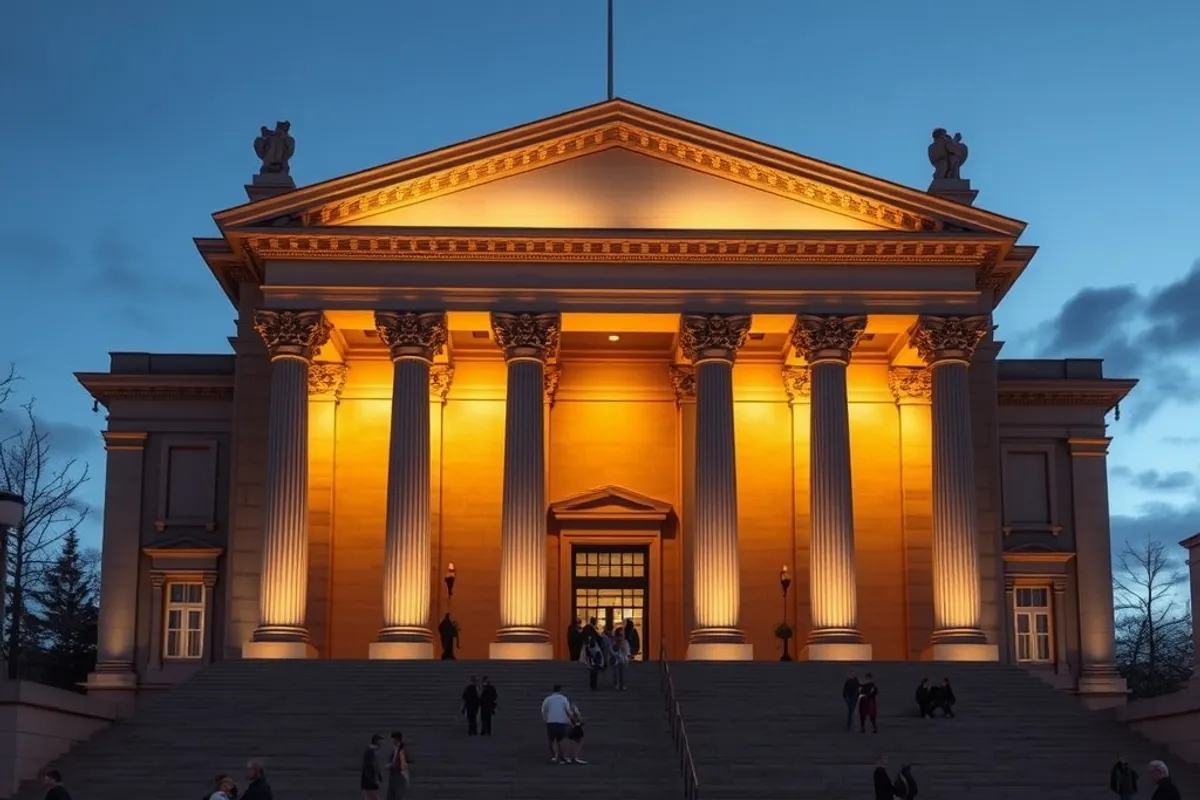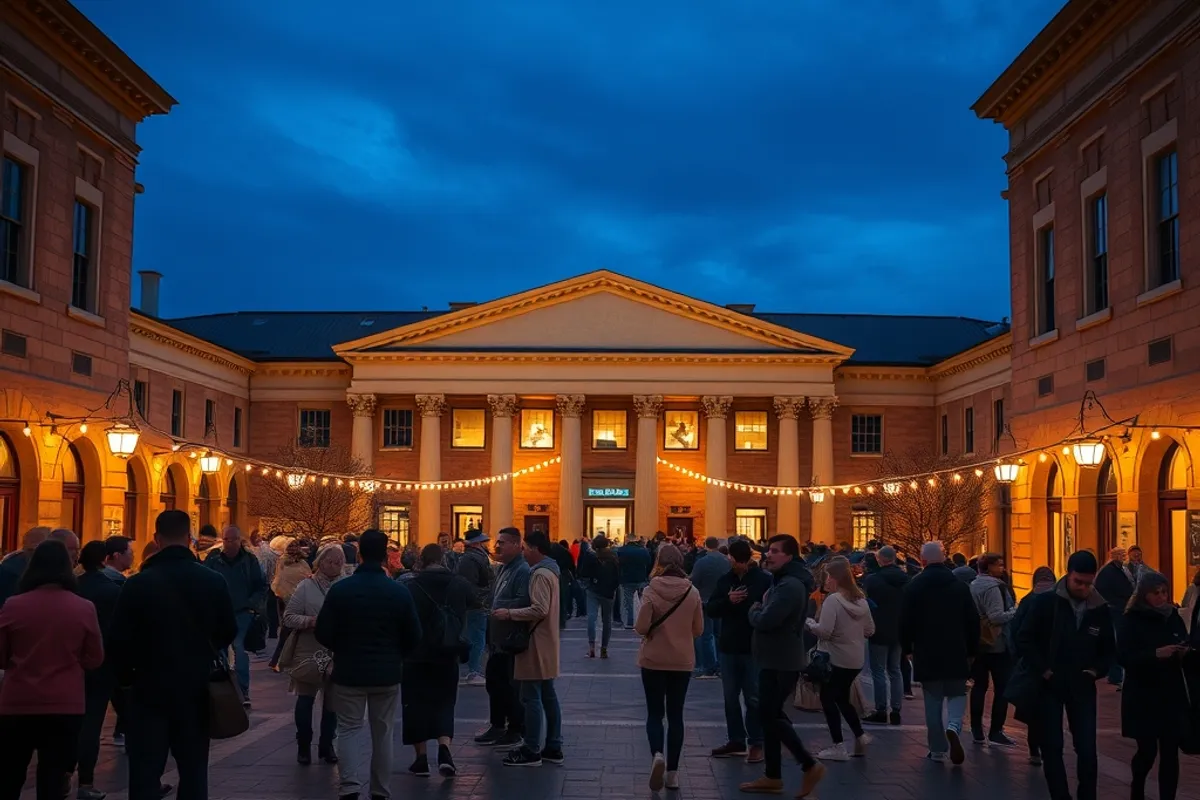
On a Thursday evening in 2026, the queue outside a city museum is younger than the exhibition inside. Late openings, once a rare experiment, have become a regular fixture, with music, talks and food turning a quiet gallery into a social destination.
The shift is measurable. Several museums report that a third or more of their monthly visitors now arrive after six o'clock. The crowd is younger, more local and more likely to come back than the coach-tour audience that fills the daytime slots.
What a museum night looks like
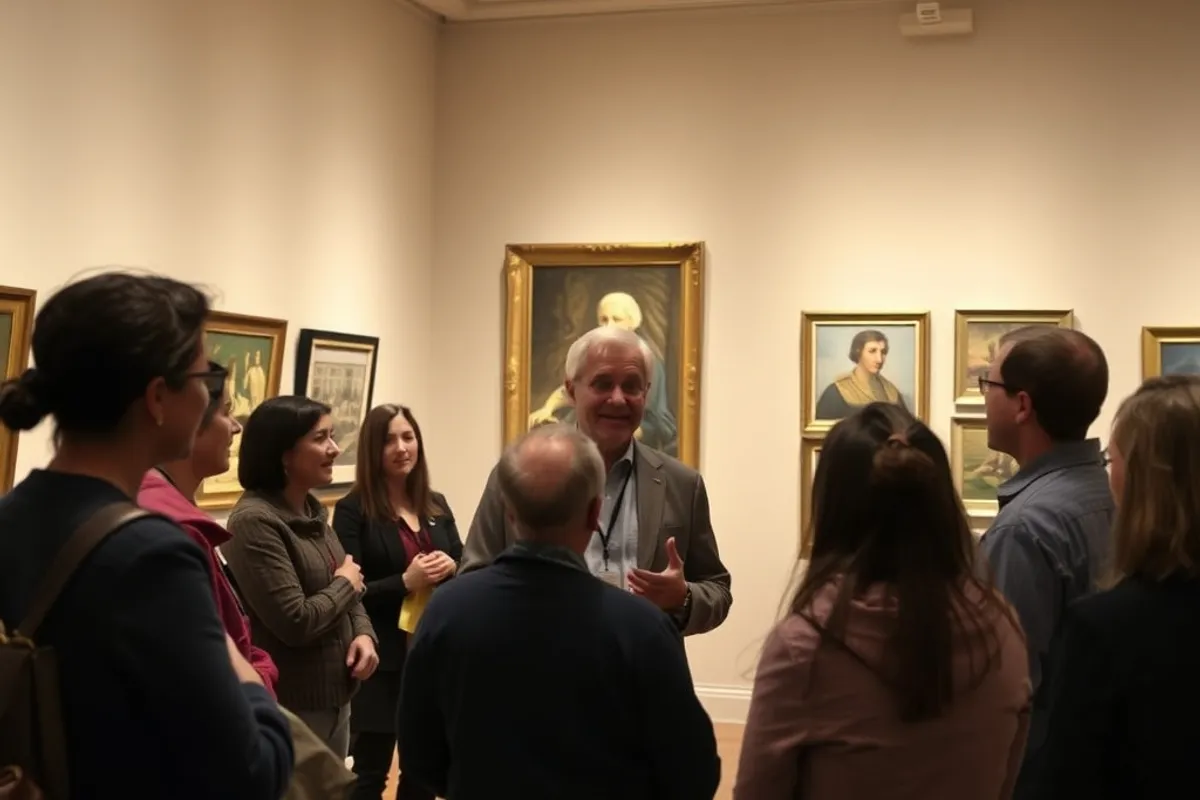
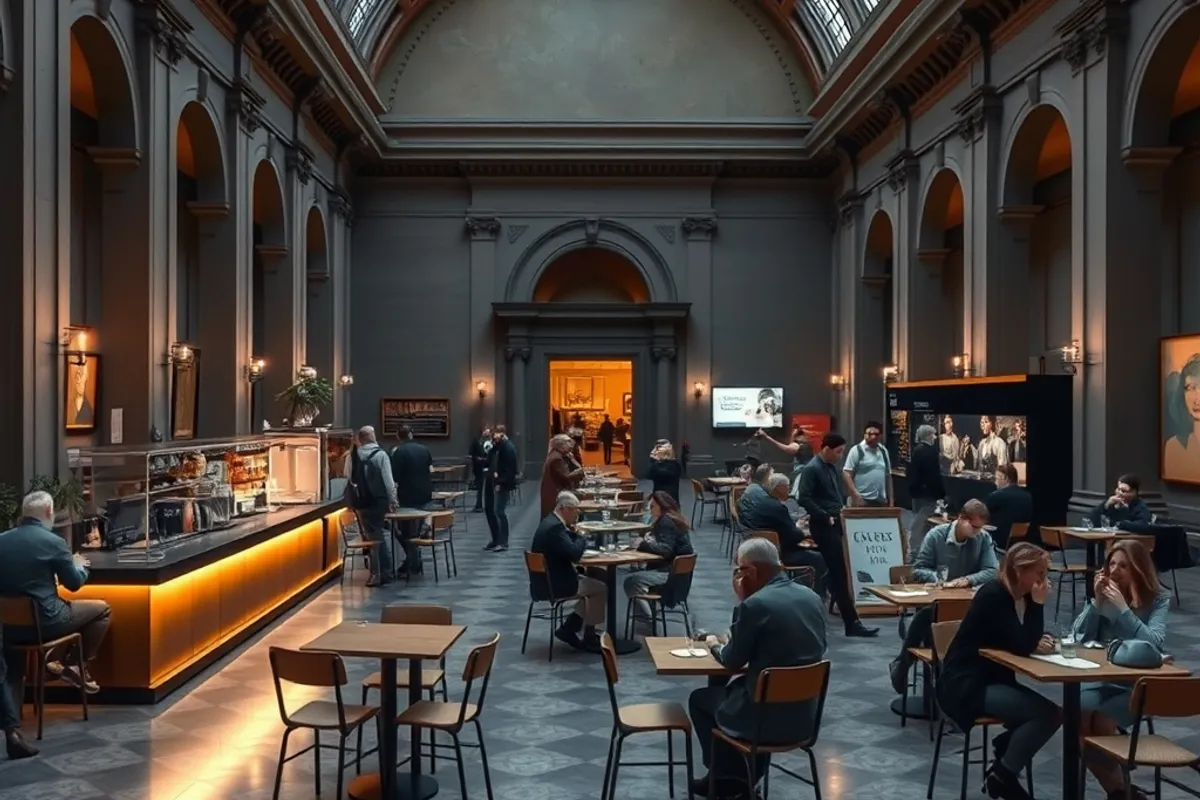
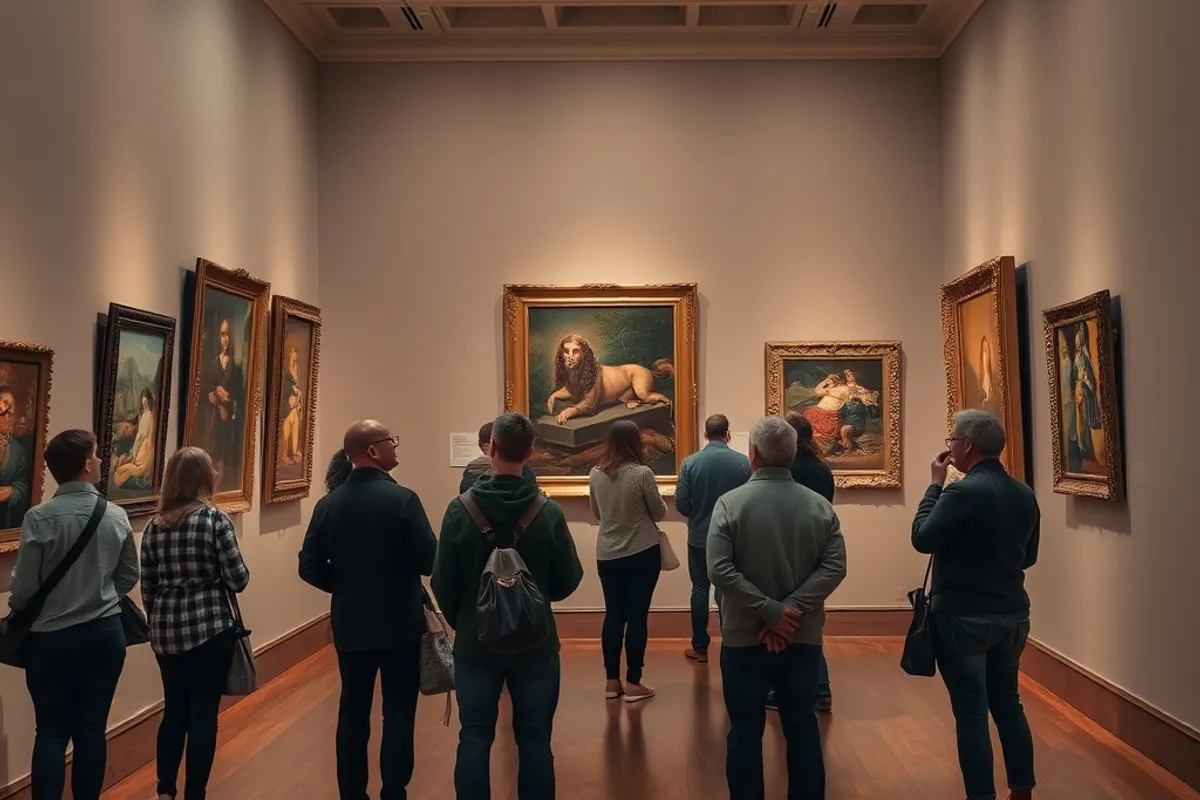
The successful format is not simply a museum with the lights left on. It is a programme. A short talk in the main hall, a DJ in the courtyard, a pop-up bar and one gallery kept quiet for people who came to look rather than socialise.
The mix matters. Too much noise and the collection becomes a backdrop. Too little and the evening is a normal visit with worse lighting. Curators describe the balance as the hardest part of the job.
Who comes, and who does not
The audience skews under forty and lives within a short journey. That is good for repeat visits and bad for the museums that depend on tourists. A local crowd can sustain a Thursday; it cannot replace a summer of international visitors.
There is also a price question. A ticketed evening with a drink can cost more than a daytime entry. Museums that keep the night free or pay-what-you-can draw a broader crowd; those that price it as a premium event draw a narrower one.
The test of a museum night is not how many people come once. It is how many come back on a Tuesday afternoon.
The cost of staying open
Extra hours mean extra staff, security, cleaning and energy. A single late night can cost more than the bar takes. Museums cover the gap through sponsorship, grants or by treating the evening as marketing for the daytime programme.
Staff contracts are a sticking point. Evening work is unpopular with people who already cover weekends, and museums compete with bars and restaurants for the same pool of casual workers. Some have moved to a dedicated events team rather than stretching curators.
Key facts
- Several museums now draw a third of monthly visitors after 6pm.
- The audience is younger and more local than the daytime crowd.
- Programming, not extended hours alone, drives attendance.
- Evening staffing and security are the main costs.
- Free or pay-what-you-can nights draw the broadest audience.
Does the habit last?
The evidence is still short. Museums that have run nights for several years report that attendance stabilises rather than grows indefinitely. The novelty fades, and the programme has to keep changing to bring people back.
The more durable effect may be on daytime visits. A person who has been to a museum at night is more likely to return with a friend or a family member. That is hard to measure but easy to see in the repeat-booking data.
The bottom line
Museum nights are a genuine success at getting a younger, local audience through the door. They are not a solution to funding, and they do not replace the daytime visitor. Treat them as a door, not a destination.