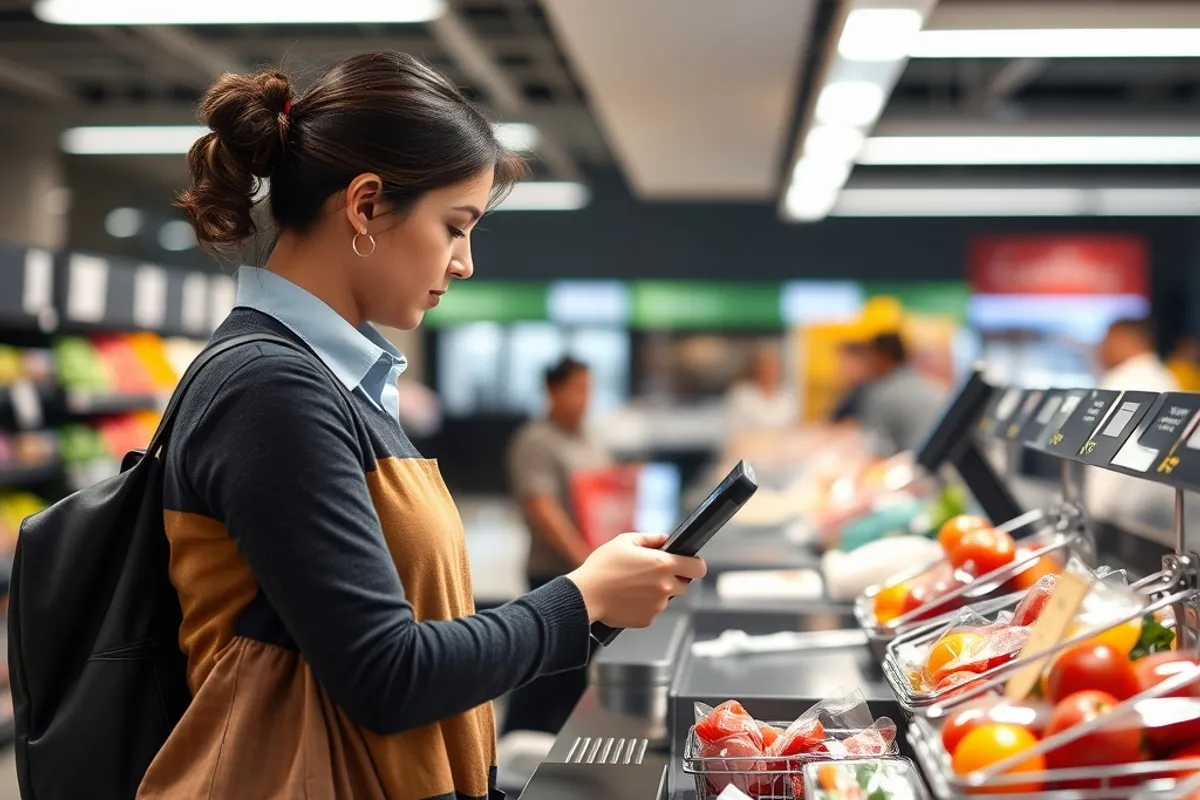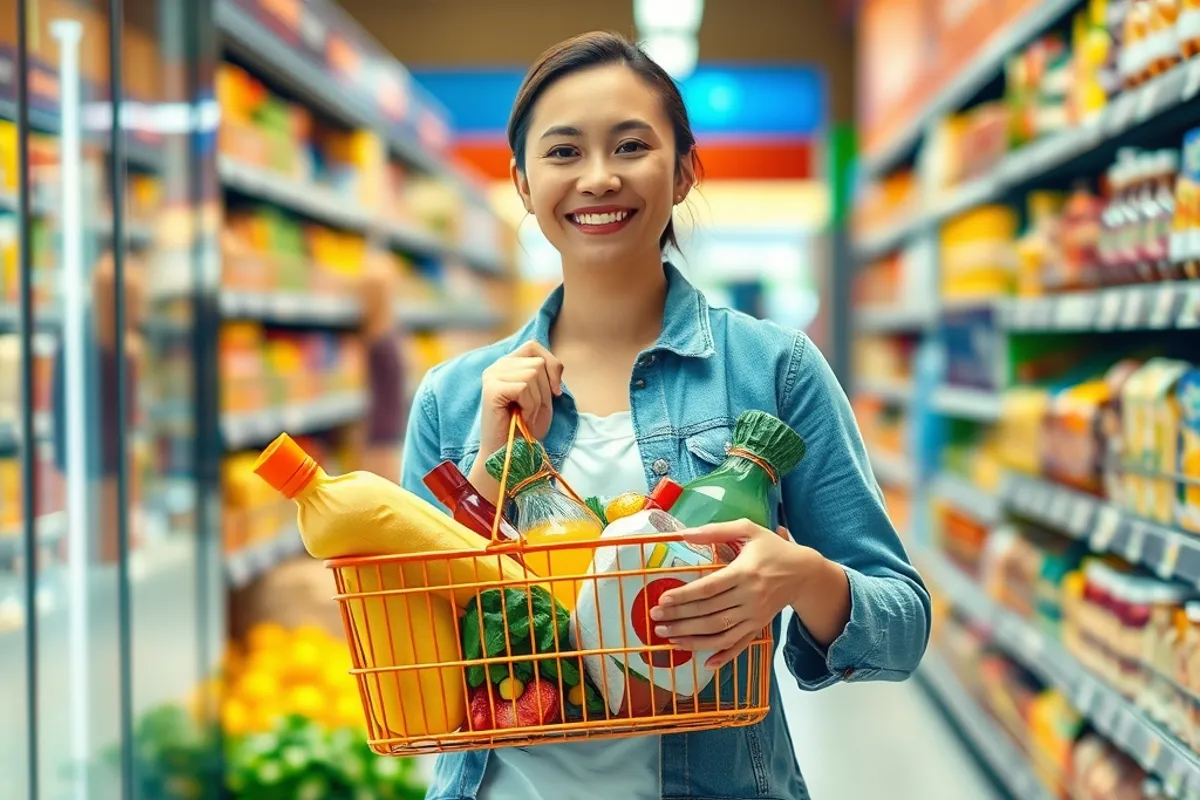
Grocery price growth slowed in the third quarter of 2026, and for the first time in two years the average basket cost less than it did three months earlier. The relief is modest, uneven and largely driven by one thing: discount chains are opening stores faster than the established supermarkets.
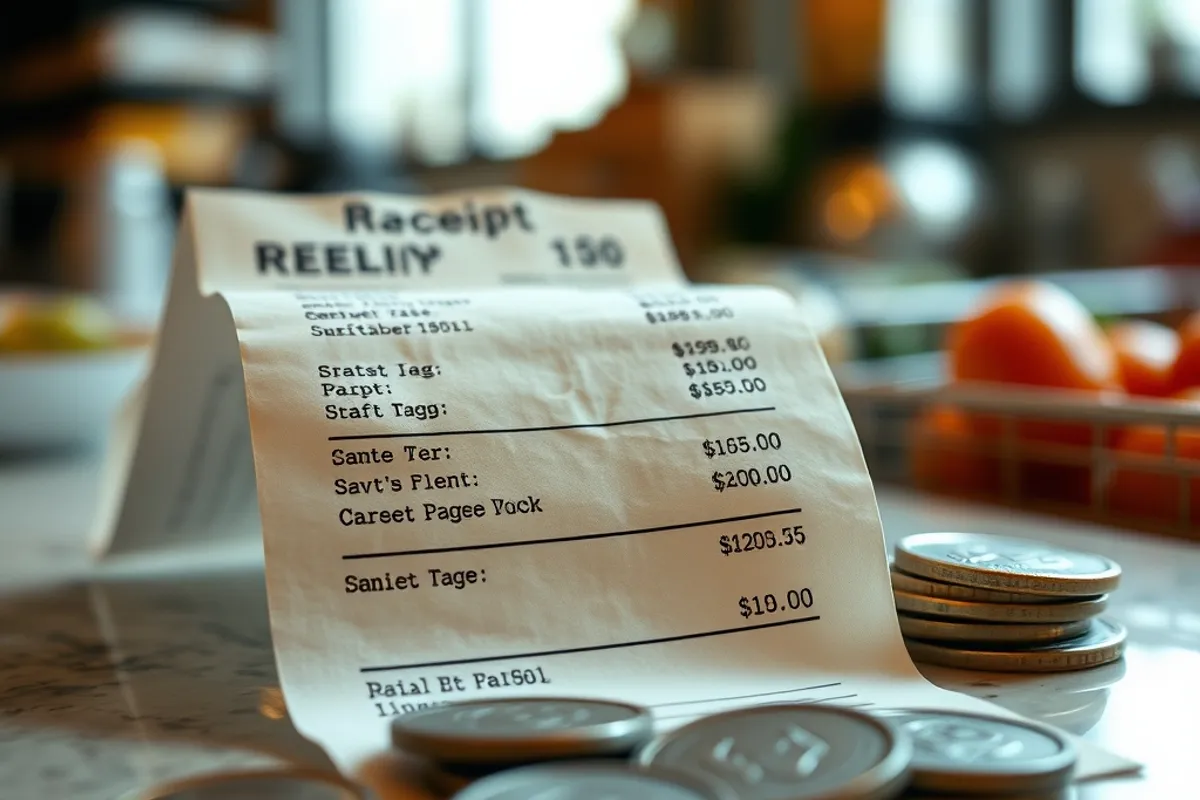
We collected receipts from five households in three cities over eight weeks, compared them with the official food index, and asked two retail analysts what the numbers hide. The answer is that a cheaper basket is not the same as a cheaper diet.
What the receipts show
The biggest falls were in own-brand staples: flour, pasta, cooking oil, frozen vegetables and cleaning products. Fresh fruit and meat fell more slowly. Branded goods barely moved, and in some stores they rose.
Households that switched to a discount store saved between eight and fourteen percent on a comparable basket. Households that stayed with their usual shop saved almost nothing. The gap is a store-choice effect, not a general fall in prices.
Why the discounters can cut prices
Three costs are lower. The store is smaller, so rent per item is lower. The range is shorter, so waste and logistics are simpler. And the chain buys fewer brands, which gives it more leverage with suppliers.
None of that is new. What changed in 2026 is scale. Two discount chains crossed the threshold where they could open in city centres rather than only on the edge of town, and that put pressure on the incumbents in their most valuable catchments.
A price war is good news at the till and bad news for the supplier. The saving has to come from somewhere, and it is rarely the shareholder.
The supplier squeeze
Small food producers describe harder negotiations. A listing in a discount chain can double volume, but the price per unit is lower and the payment terms are stricter. For a producer with thin cash reserves, growth can mean borrowing more.
The competition authority is reviewing whether the discounters' own-brand contracts are fair. The review is at an early stage and may not report before next summer.
Key facts
- Food price growth slowed in the third quarter of 2026.
- Own-brand staples fell fastest; branded goods barely moved.
- Switching to a discounter saved 8 to 14 percent on a comparable basket.
- Two discount chains expanded into city-centre sites.
- A competition review of own-brand contracts is under way.
What it means for households
The relief is real but conditional. A household that can travel to a discounter and has time to compare unit prices will feel it. A household that relies on a nearby convenience store will not. The postcode gap in grocery costs has widened even as the average has fallen.
Nutrition adds another layer. The sharpest discounts are on processed staples, while fresh produce has fallen less. A cheaper basket can be a less balanced one if the price signals point that way.
The bottom line
Grocery inflation has cooled because the market structure changed, not because costs vanished. Discount chains have forced the big supermarkets to compete on price. The winners are mobile shoppers; the pressure lands on suppliers and on neighbourhoods without a discount store.