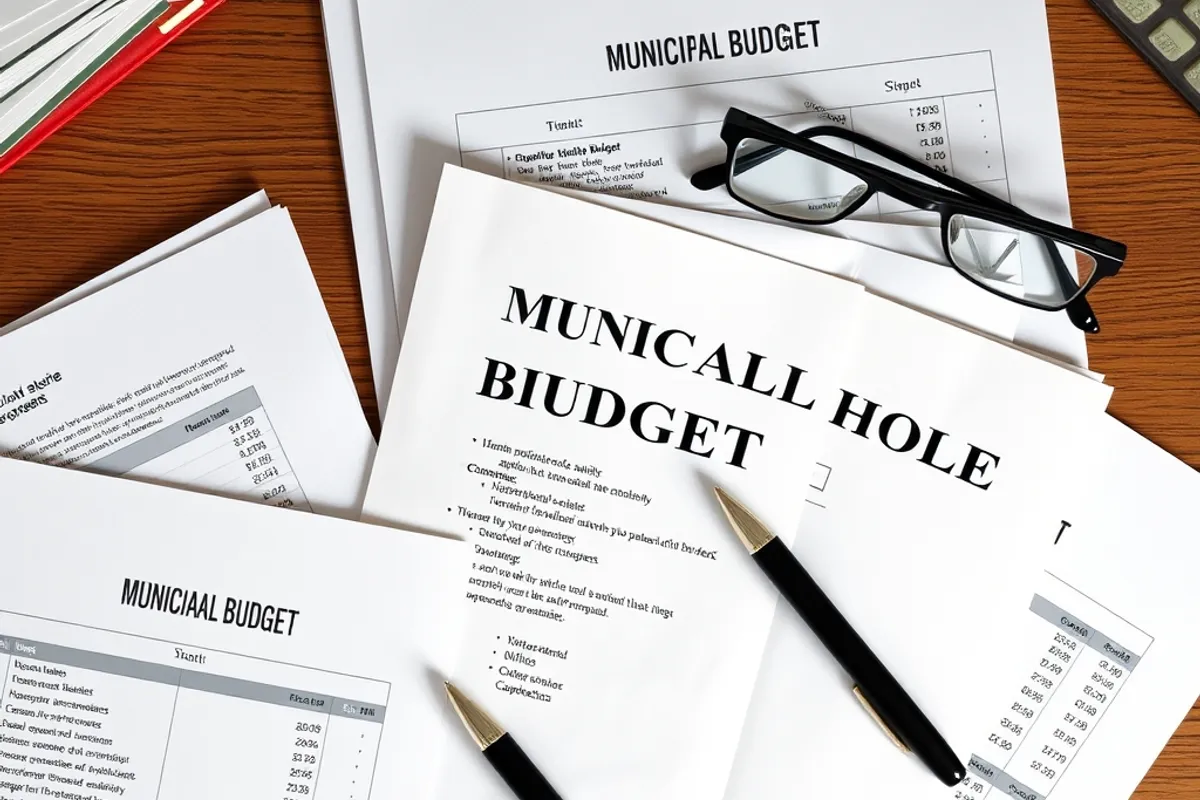
City budget season produces a thick document that most residents never open. That is a problem, because the document decides which roads are repaired, which libraries stay open and how much the council borrows for the next decade.
You do not need to read all of it. You need to read three sections: the revenue summary, the capital plan and the reserve note. Those pages show where the money comes from, what it is being spent on and what happens if the forecast is wrong.
Start with the revenue summary
The revenue page tells you how much of the budget depends on property tax, central transfers and fees. A city that relies heavily on one source is exposed to one shock. Look for the percentage change from last year and the assumption behind it.
If the forecast assumes a three percent rise in property values in a market that has been flat, ask why. Forecasts are not neutral. They decide whether the budget balances on paper and whether a mid-year cut becomes necessary.
The capital plan is where the debt hides
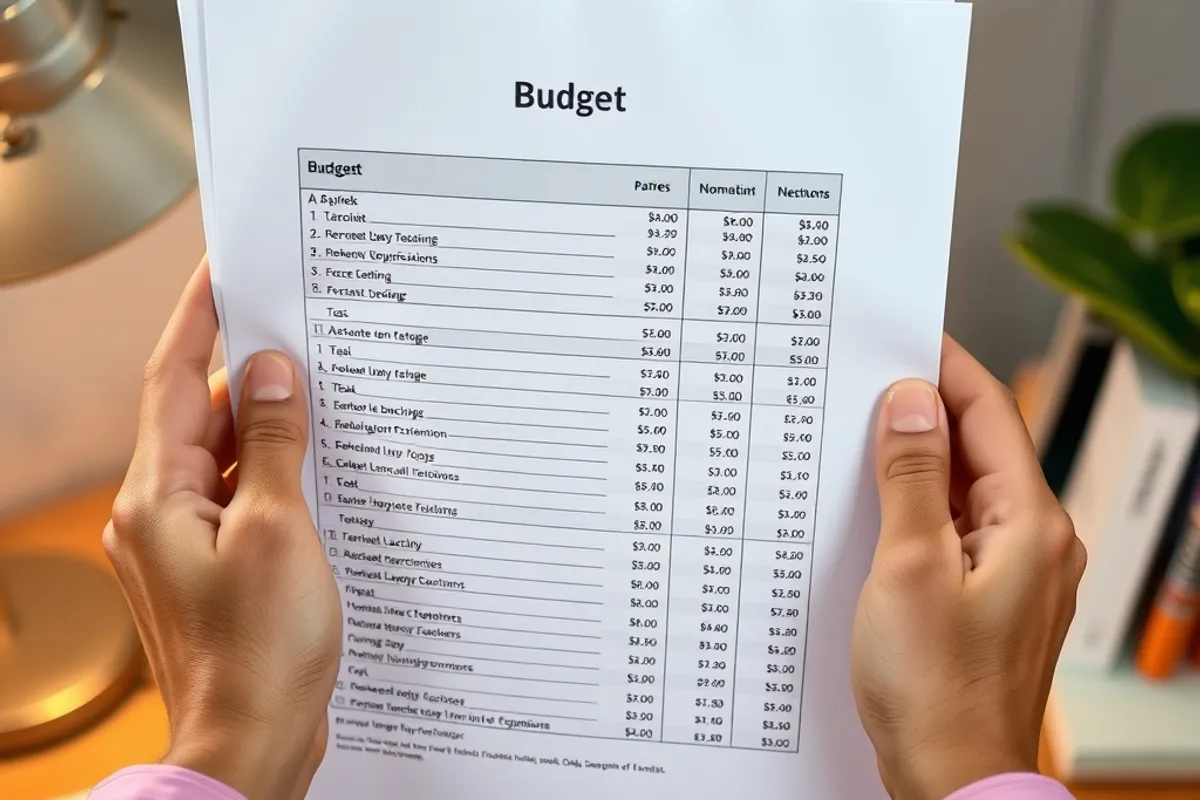
Day-to-day services sit in the operating budget. Roads, bridges, buildings and drainage sit in the capital plan. The capital plan often stretches over five or ten years and is funded by borrowing, which means today's decision becomes next decade's interest payment.
Read the financing column, not just the project list. A project labelled as funded may rely on a grant that has not been awarded or on land that has not been bought. Those are commitments with an asterisk.
A project is not funded because it appears in the plan. It is funded when the money is committed and the maintenance is budgeted.
Check the reserves
Reserves are the city's savings account. A healthy reserve covers a few months of operating costs. A thin reserve means a single unexpected bill, from a storm to a legal settlement, can force cuts in the same year.
The reserve note also explains transfers. Money moved out of reserves to balance the budget is not new income. It is savings being spent, and it can only be spent once.
Key facts
- The revenue summary shows how exposed the budget is to one income source.
- The capital plan shows borrowing and maintenance obligations.
- Reserve transfers are savings, not revenue.
- Grants that are not yet awarded carry extra risk.
- Public comment usually closes before the final adoption vote.
How to challenge a line item
Find the line, the page number and the assumption behind it. Then ask a specific question in writing: what happens to this service if the forecast is ten percent lower? Specific questions get answers. General complaints get a paragraph in the minutes.
There is a calendar too. Most councils publish a draft, hold a consultation and then adopt. The consultation is the moment when a number can still move. After adoption, the only route is the next budget cycle.
The bottom line
A city budget is a moral document written in arithmetic. The totals are less revealing than the assumptions, the borrowing and the reserves. Read those three pages and you will know more than most of the room.
Our Politics desk follows council votes and the paperwork behind them. For the household side of the same story, see the Business section.