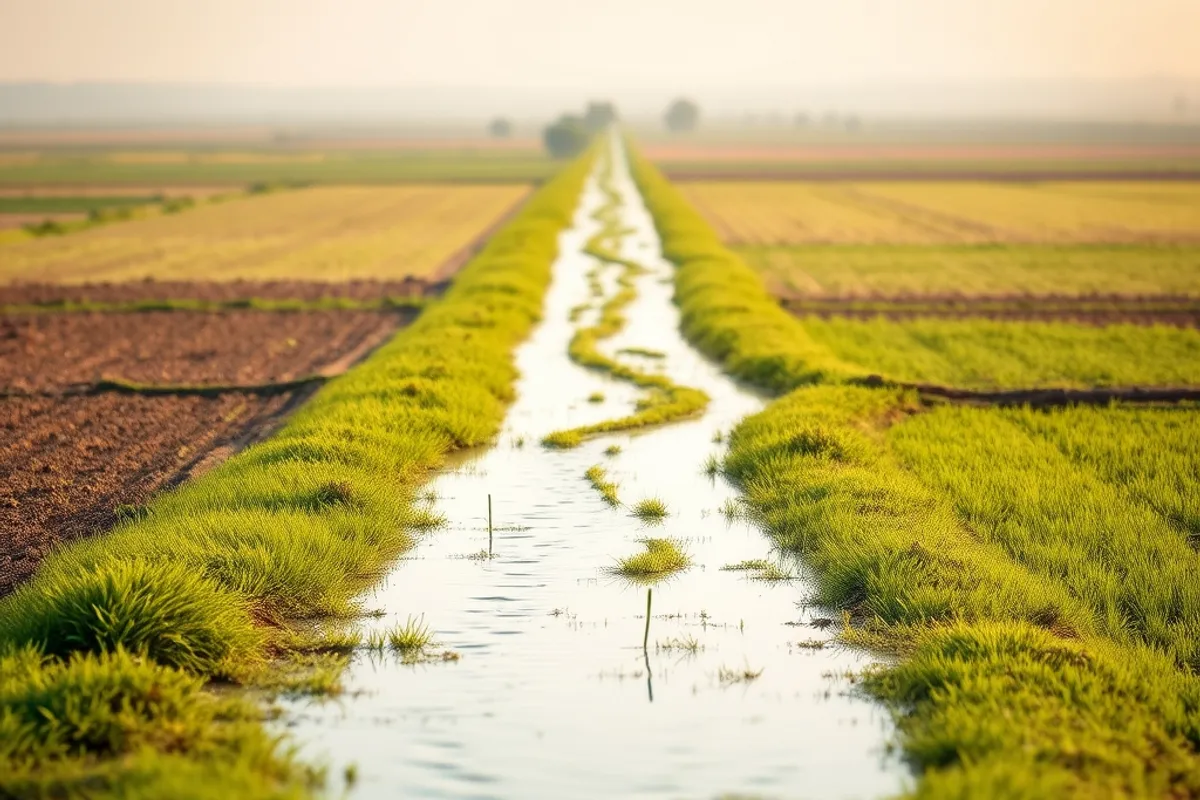
Water treaties are usually signed in wet years. The clauses are technical, the language is diplomatic, and the political attention fades as soon as the photographs are taken. Then comes a dry year, and the old document has to answer questions it was never designed to answer.
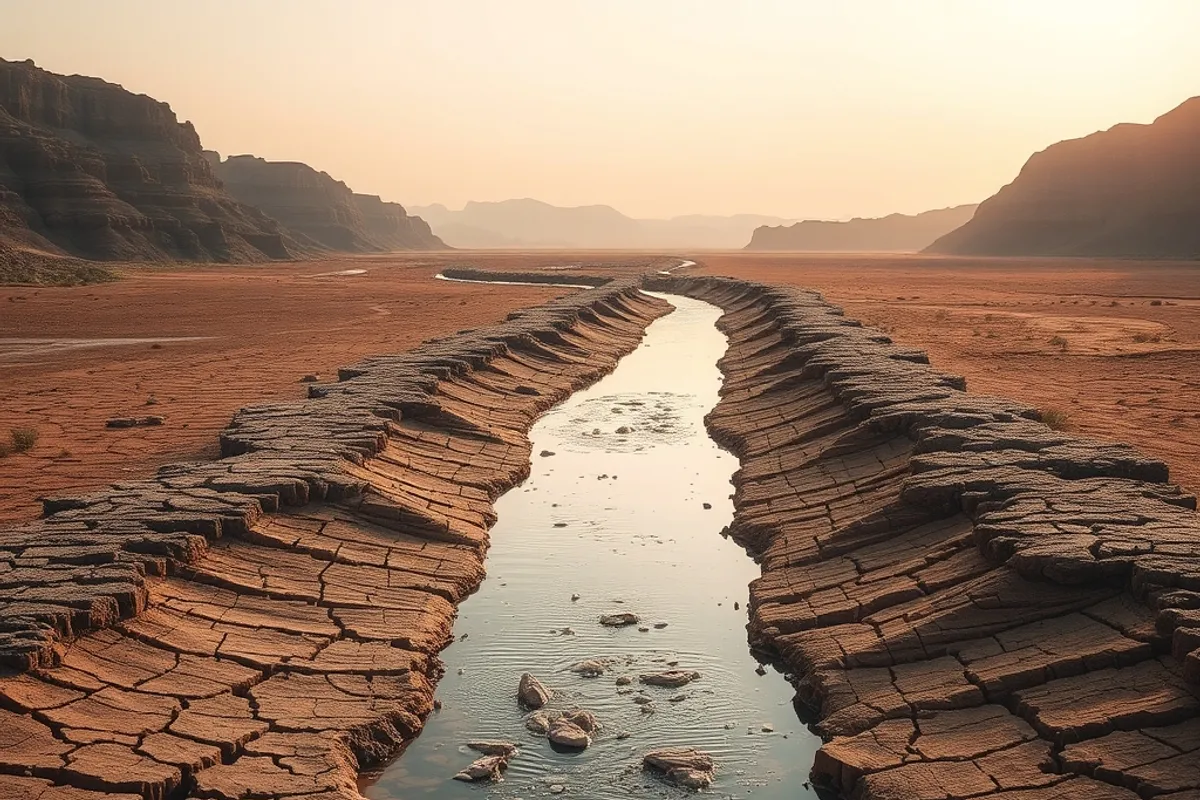
In 2026, three shared basins are doing exactly that. Reservoirs are low, farmers are planting later, and cities are growing. The treaties are being read line by line by lawyers who represent governments that disagree about what the same sentence means.
What the treaties actually say
Most agreements share a similar skeleton. They set a total allocation, divide it between upstream and downstream states, and create a commission to measure the flow. The weak point is usually the measurement: who counts, where, and how often.
A second weak point is the drought clause. Many treaties include one, but few define when it starts or how the cut is shared. That ambiguity is manageable in a normal year and corrosive in a bad one.
Drought turns arithmetic into politics
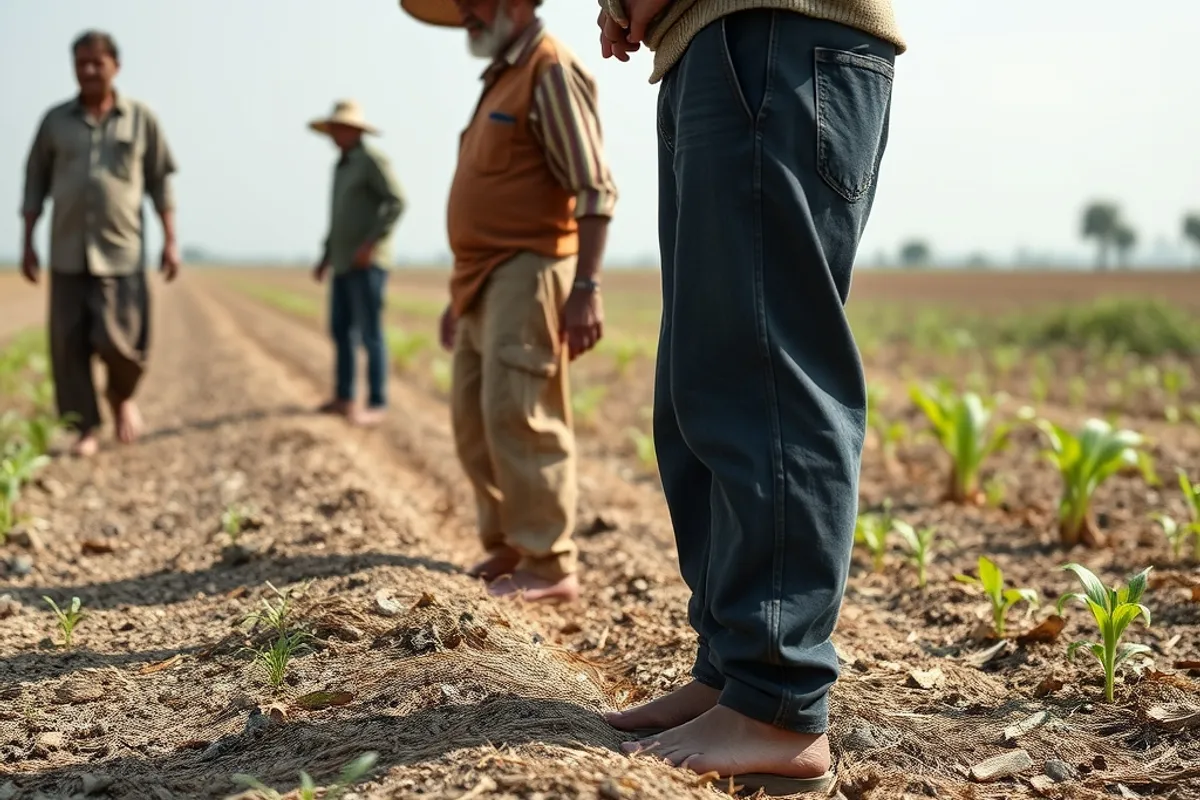
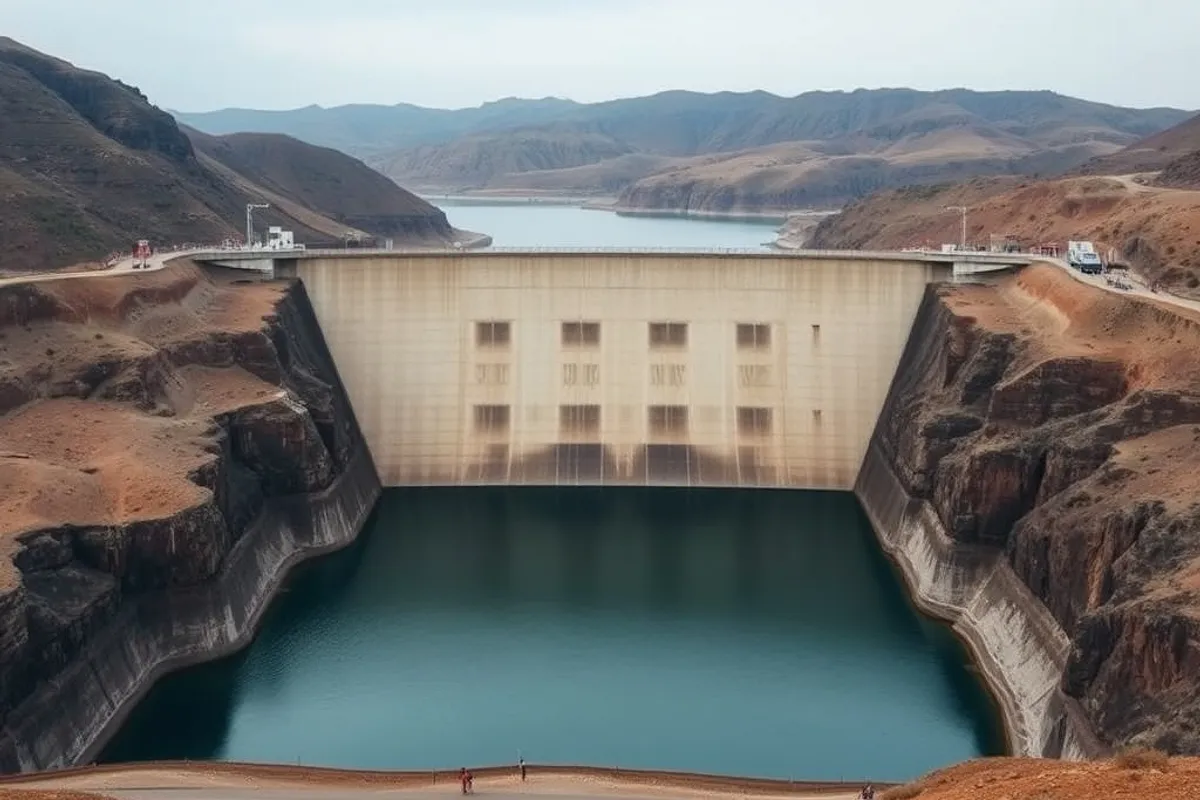
When there is enough water, a percentage split is a technical formula. When there is not, every percentage point is a harvest, a factory or a city's summer supply. Negotiators describe the shift as the moment a water meeting stops being about hydrology and starts being about survival.
The 2026 disputes have followed a pattern. Upstream states say they are using water they are entitled to. Downstream states say the flow arriving at their border no longer matches the treaty's assumptions. Both can be right, which is why the commissions matter.
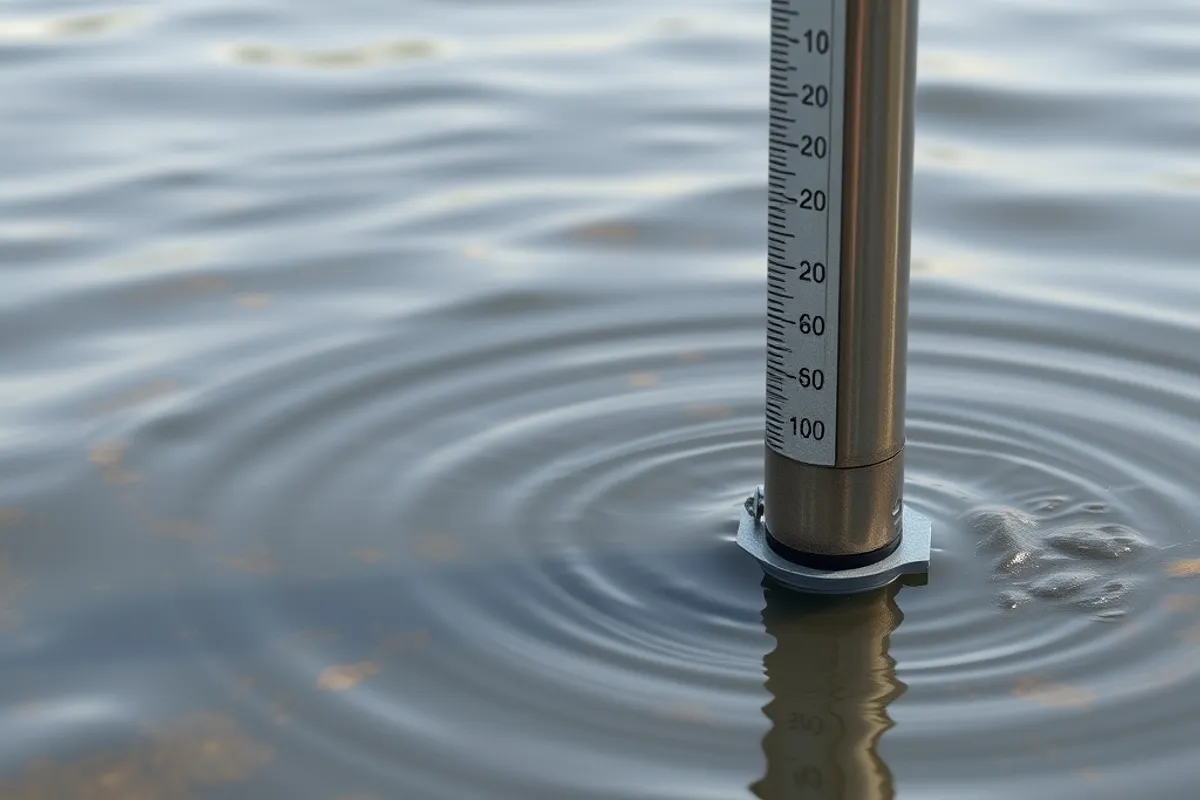
A treaty that cannot measure the water cannot allocate it fairly. The fight is rarely about the principle; it is about whose gauge becomes the official number.
The data gap
Satellite data has improved the picture. Researchers can now estimate evaporation, soil moisture and reservoir volume with a resolution that was impossible when many of these treaties were drafted. The problem is that satellite estimates are not automatically admissible in a dispute.
Several commissions are piloting shared dashboards. The idea is simple: both sides see the same number at the same time. In practice, governments still argue about the correction factors, the calibration and the lag between a reading and a publication.
Key facts
- Three shared basins entered the 2026 dry season below their ten-year average.
- Most treaties include a drought clause but few define a trigger.
- Satellite estimates are improving but are not yet a shared legal standard.
- Agriculture takes the largest share of water in all three basins.
- Joint dashboards are being piloted in at least four commissions.
What a fair deal might look like
Specialists point to three practical fixes. Publish the raw gauge data monthly rather than annually. Agree in advance how a shortage is shared, instead of negotiating during the shortage. And treat efficiency as part of the allocation, so a state that saves water is not penalised by losing it.
None of that requires a new treaty. It requires the political will to apply the old one consistently, which is harder than drafting a new one and far less photogenic.
The bottom line
The 2026 stress test is exposing a familiar gap between signed text and shared practice. The water is finite, the demand is not, and the measurement is still contested. The next dry year will not wait for a new agreement.