World Arctic Shipping Lanes Test a Fragile New Normal
Earlier ice retreat is turning the Arctic into a working sea route rather than a short cut. We look at the traffic, the insurance bills and the rescue gap.
Global affairs, climate deals, migration and the agreements that cross borders. Every story here names its sources, dates and the people behind the numbers.
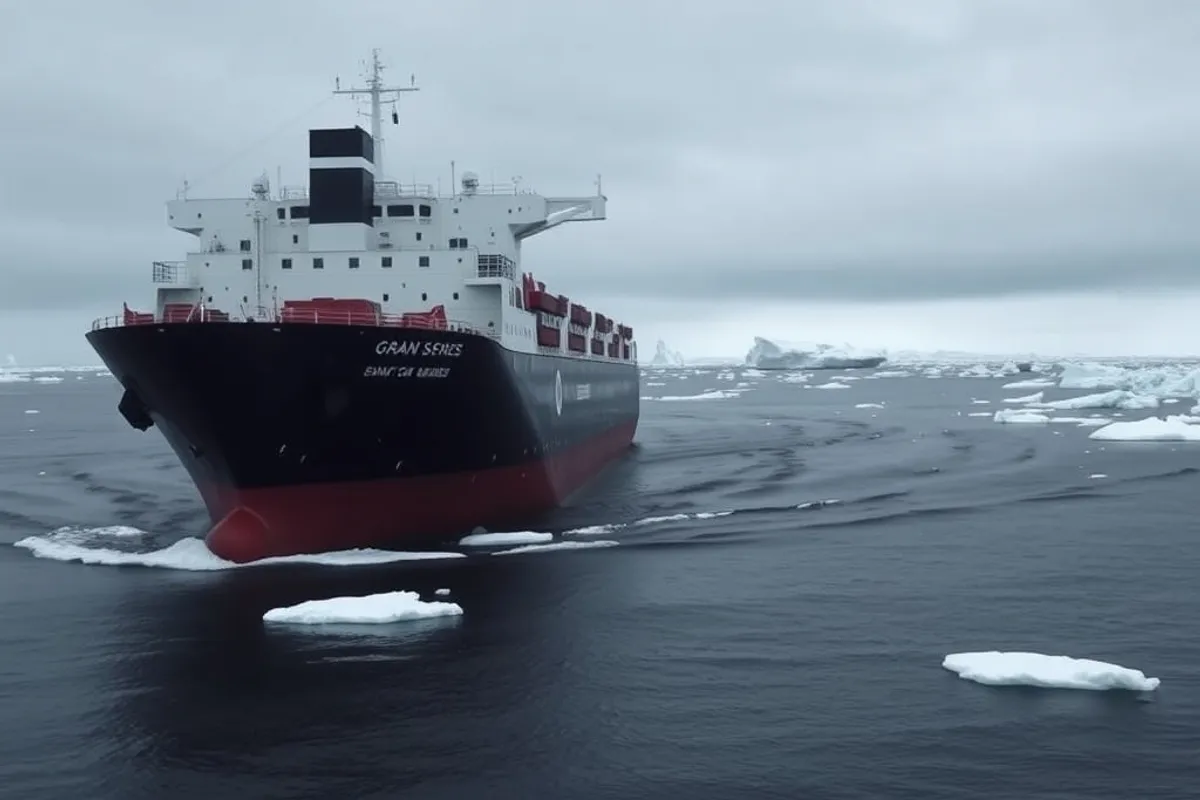
Earlier ice retreat is turning the Arctic into a working sea route rather than a short cut. We look at the traffic, the insurance bills and the rescue gap.
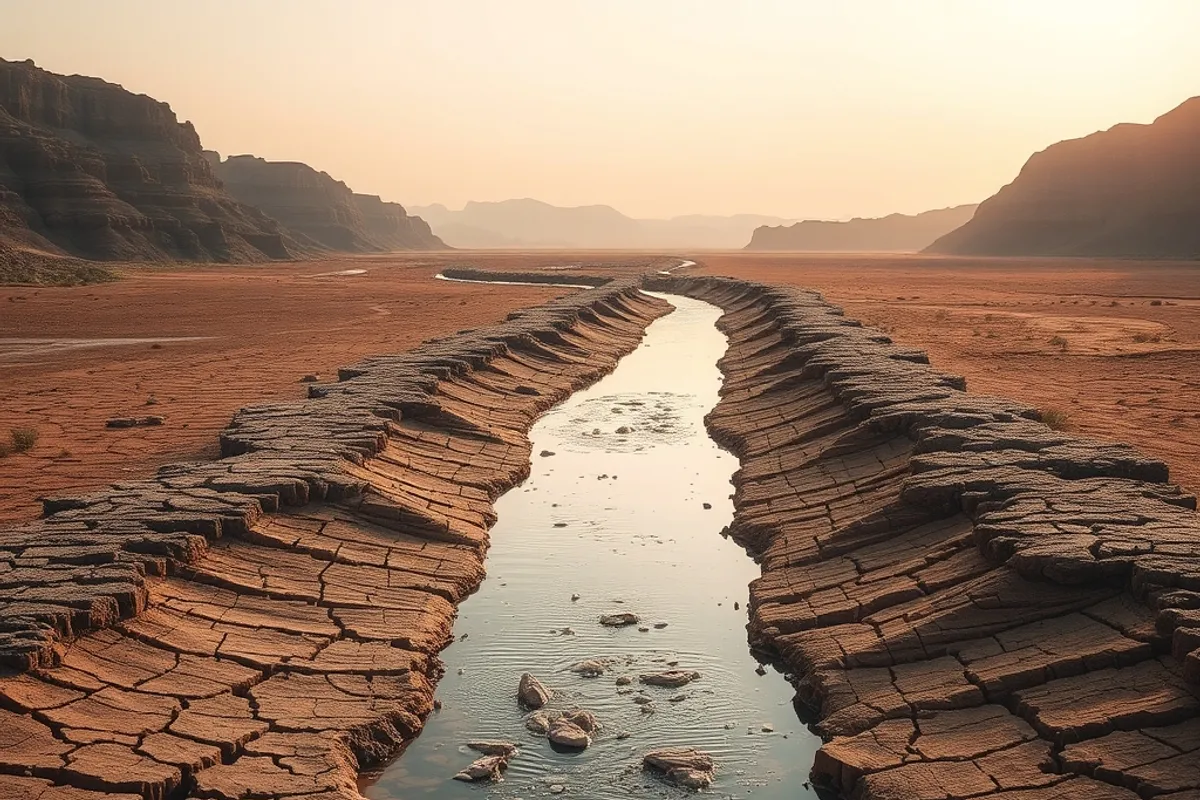
Three shared river basins entered 2026 with less water and more demands. The treaties that govern them were written for a wetter world.
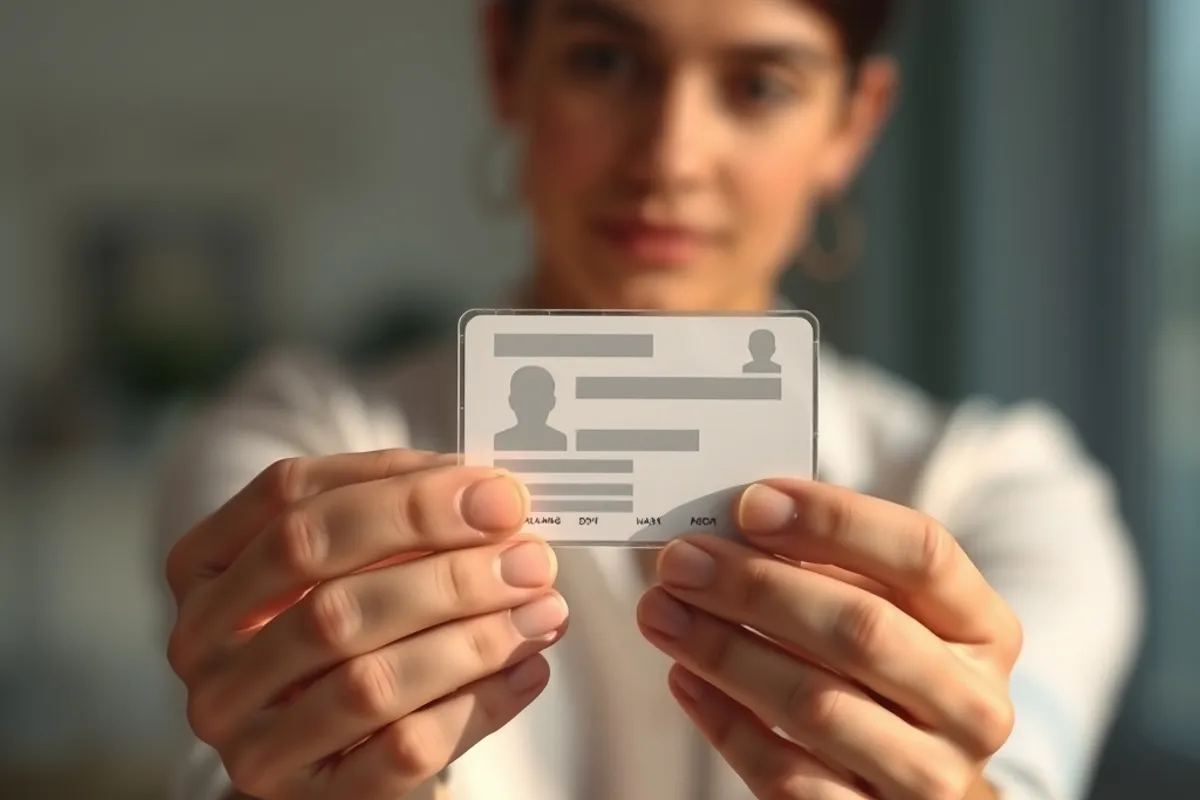
The first phase of the national digital ID scheme is live. We break down the enrolment numbers, the privacy safeguards and the services that still need a paper backup.
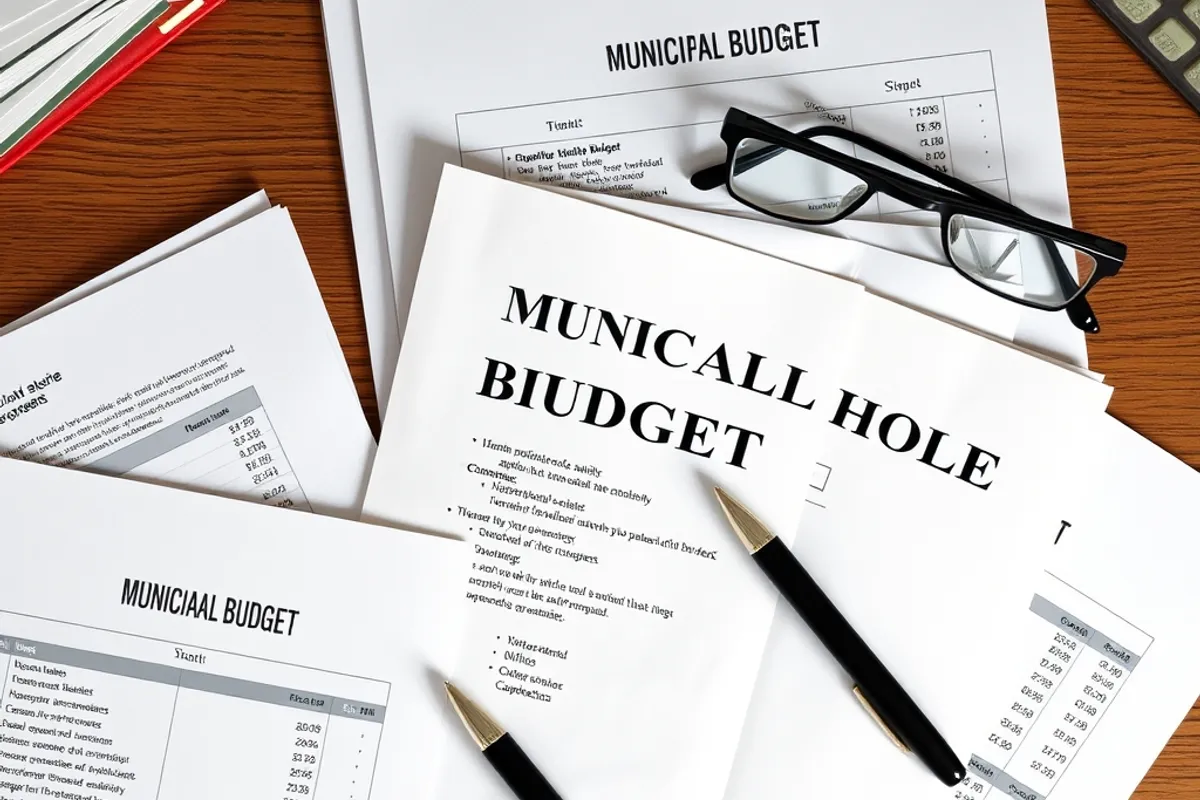
Every city budget is a list of choices disguised as a spreadsheet. We explain the three pages that matter and how residents can challenge a number before it is locked in.

Grocery inflation has cooled, but the shelf price is only part of the story. We compare receipts, store formats and the margins behind the discount boom.

Transformer makers and cable plants are running at capacity as utilities upgrade the grid. The order books look healthy; the bottleneck is people and copper.

Smaller data centres are appearing near the places that use them. The latency gain is real, but so are the power, water and planning questions.

Passkeys are moving from optional extra to default login. The security gain is real, but account recovery is still the weak point.
Global affairs, climate deals, migration and the agreements that cross borders. Stories run from breaking updates to deeper explainers, and each one names its sources so you can check the work yourself. Every guide carries the date, the author and the source list, and the desk updates the page whenever the underlying figures move. If a story changes after publication, we note the change on the page rather than quietly rewriting it.
We start with primary material: official statistics, court and council records, company filings and interviews. We then test each claim against a second source before publication. We follow the guidance published by the United Nations.
Each report is updated when new figures land. If a number moves, we show the old figure and the new one side by side. That way readers can see the revision, not just the latest claim.