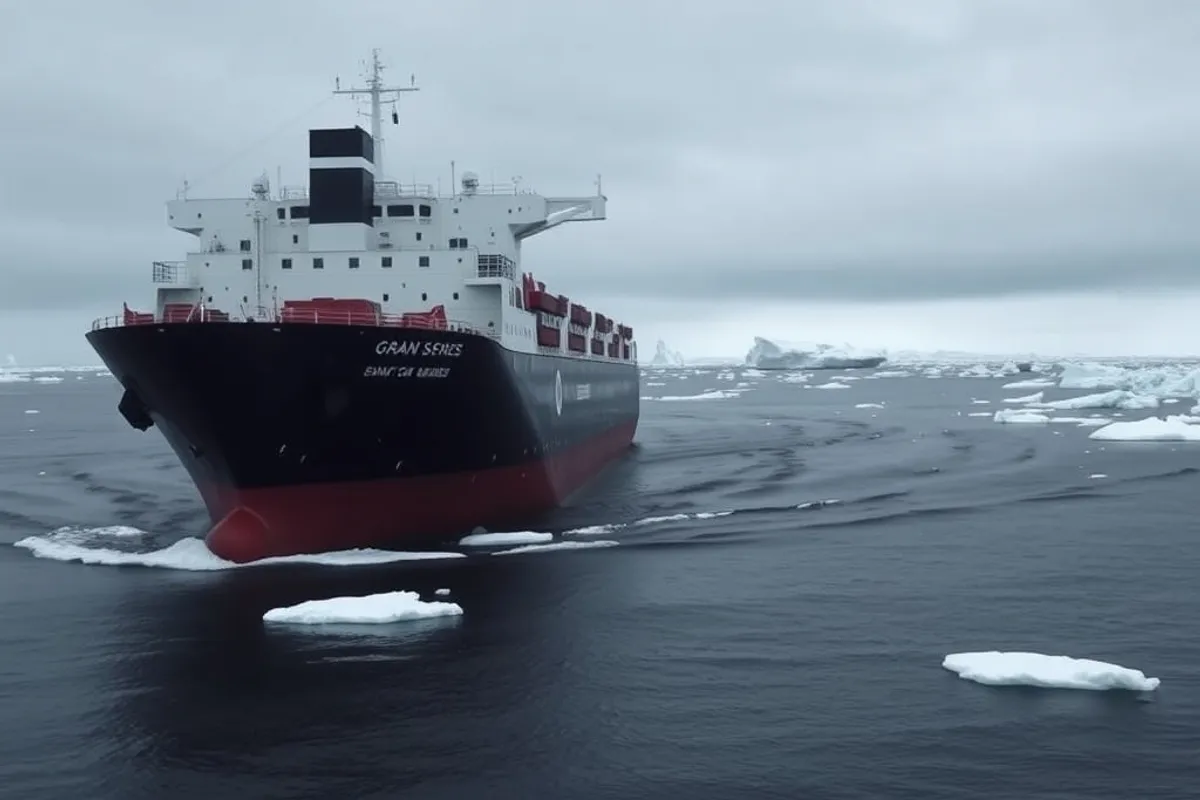
World Arctic Shipping Lanes Test a Fragile New Normal
Earlier ice retreat is turning the Arctic into a working sea route rather than a short cut. We look at the traffic, the insurance bills and the rescue gap.

Trusted by thousands of readers every week
Independent reporting on world affairs, politics, business, technology and culture, with the documents, dates and numbers behind every claim.
Global affairs, climate deals, migration and the agreements that cross borders.
Earlier ice retreat is turning the Arctic into a working sea route rather than a short cut. We look at the traffic, the insurance bills and the rescue gap.
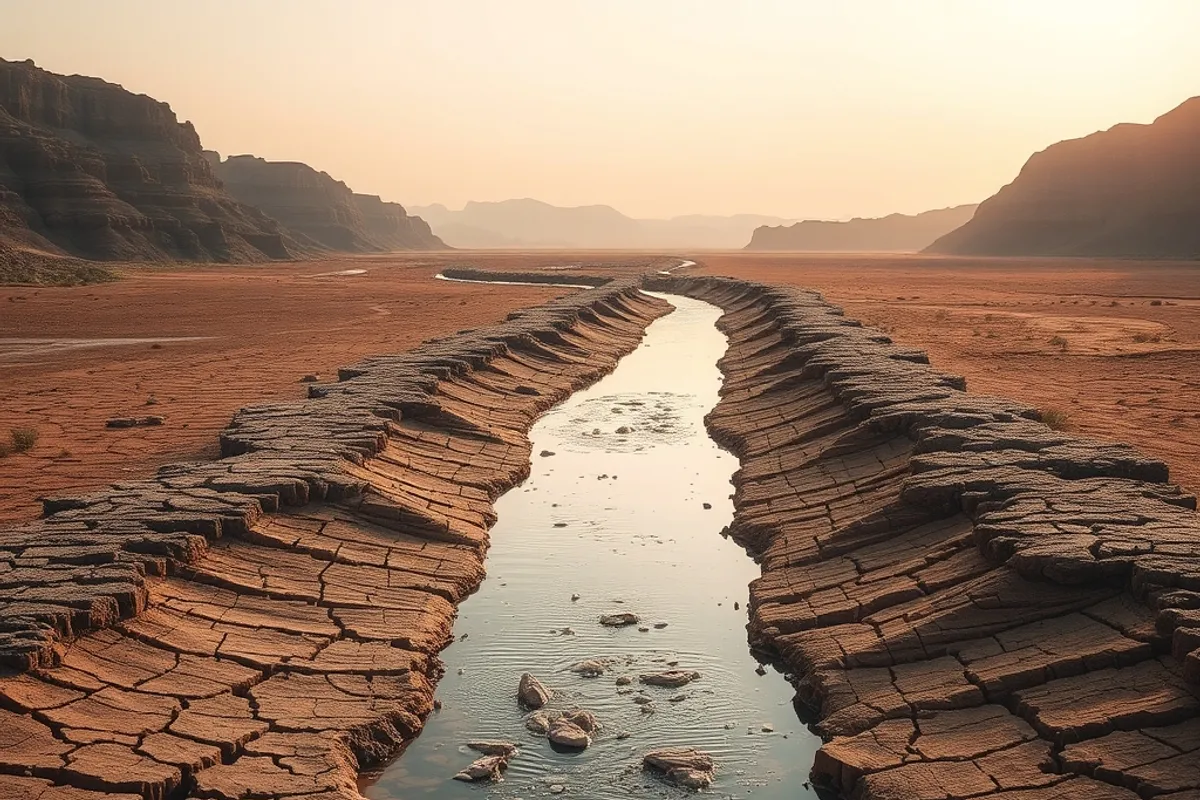
Three shared river basins entered 2026 with less water and more demands. The treaties that govern them were written for a wetter world.
Elections, budgets and the paperwork behind public power.
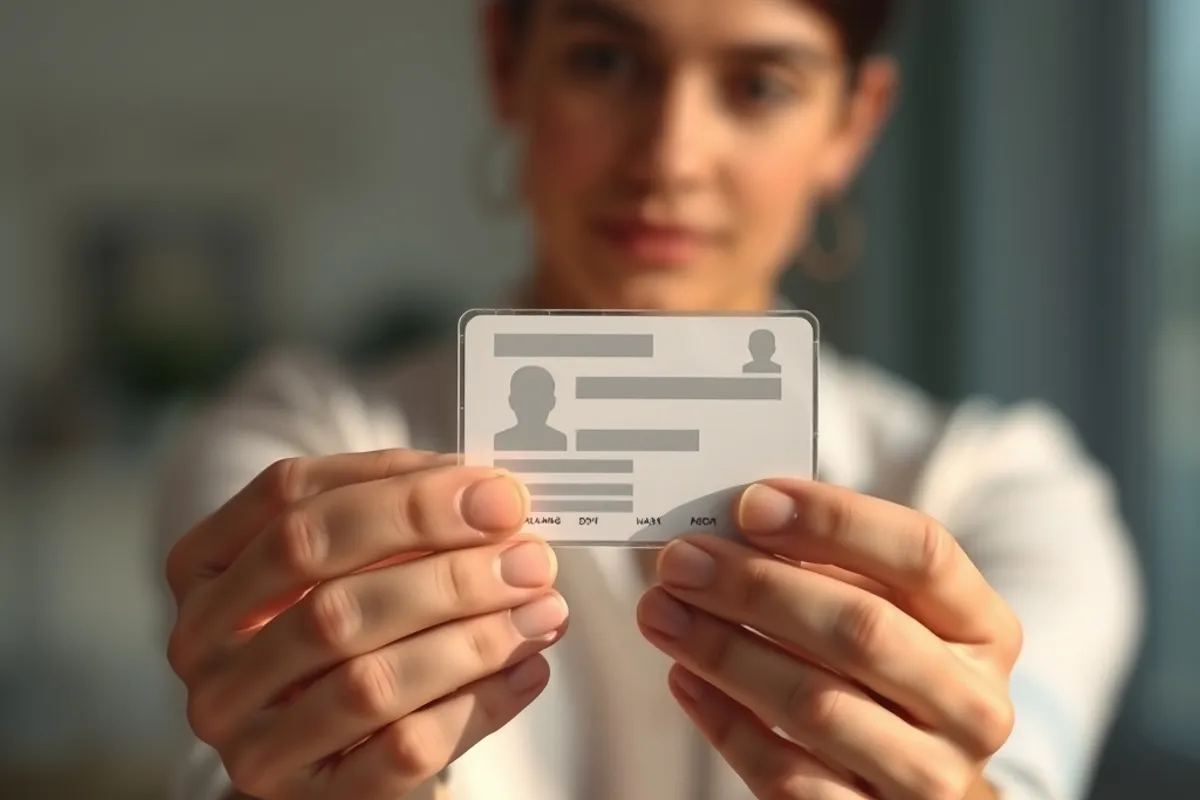
The first phase of the national digital ID scheme is live. We break down the enrolment numbers, the privacy safeguards and the services that still need a paper backup.
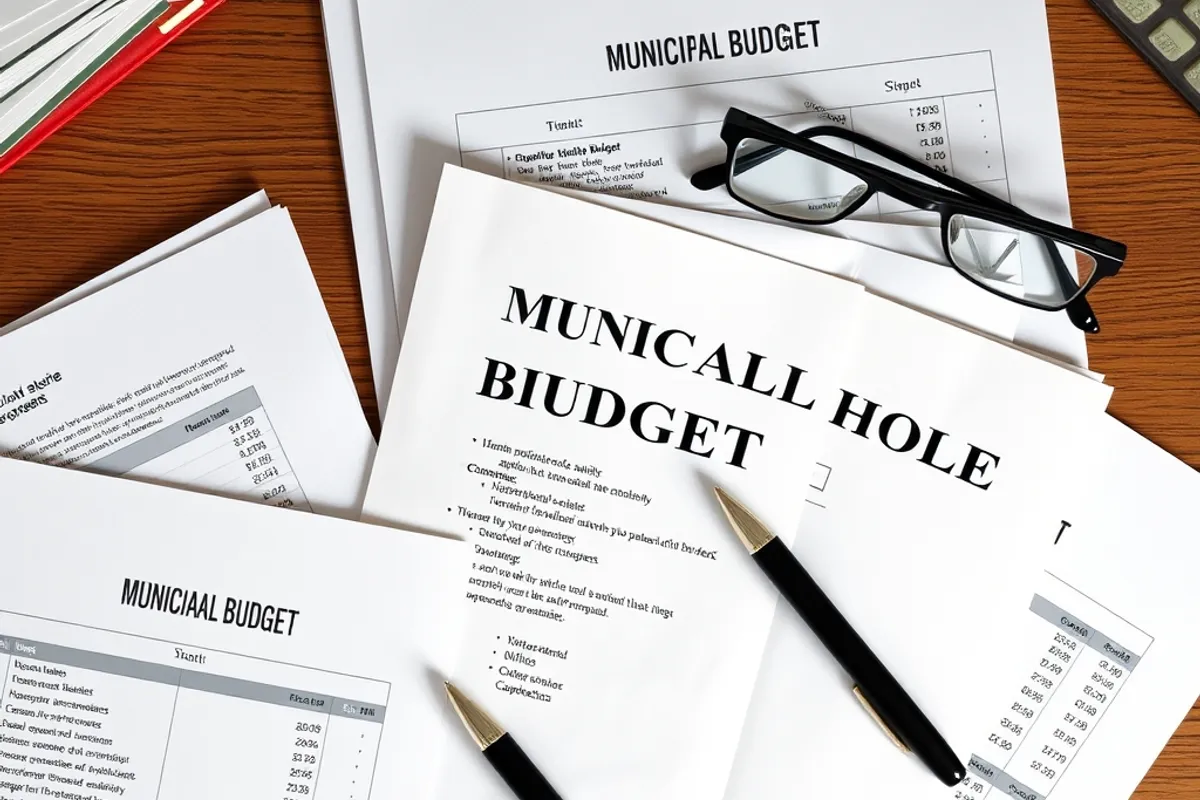
Every city budget is a list of choices disguised as a spreadsheet. We explain the three pages that matter and how residents can challenge a number before it is locked in.
Credit, rates, small firms and the economy you actually live in.

Grocery inflation has cooled, but the shelf price is only part of the story. We compare receipts, store formats and the margins behind the discount boom.
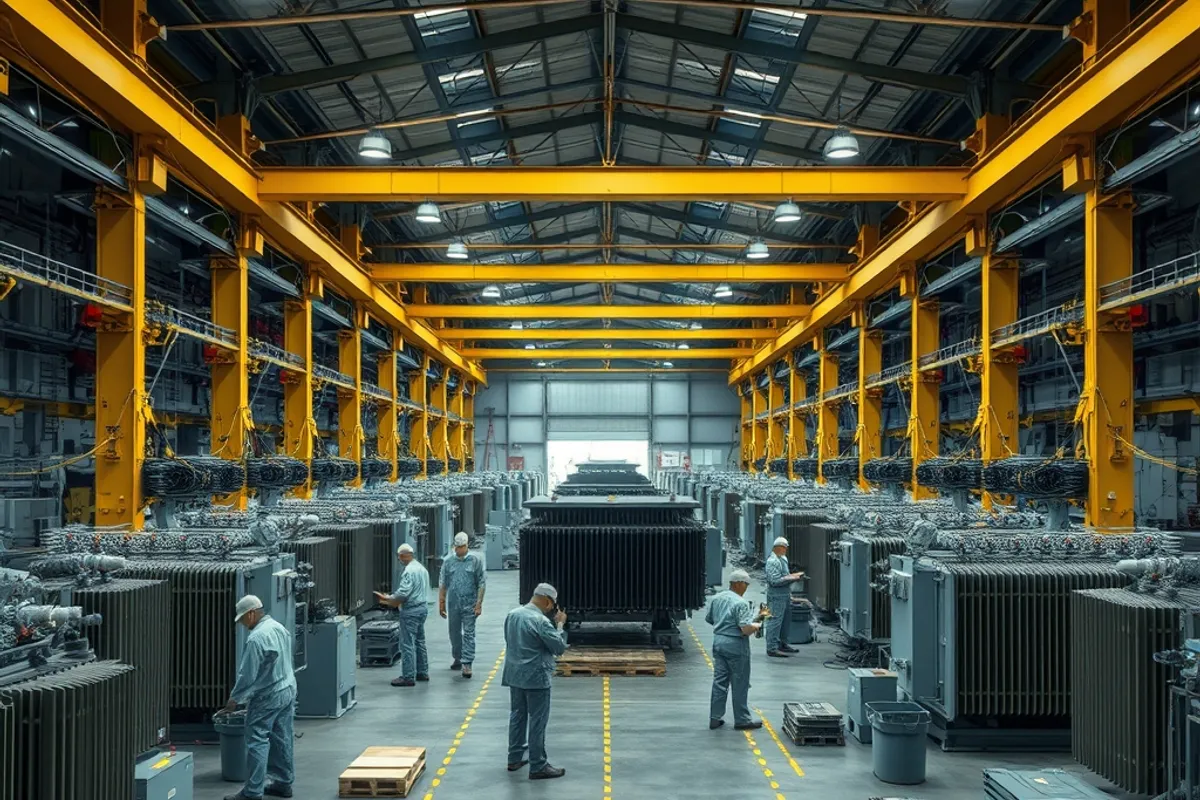
Transformer makers and cable plants are running at capacity as utilities upgrade the grid. The order books look healthy; the bottleneck is people and copper.
AI rules, home broadband, devices and how the tools behave in real life.
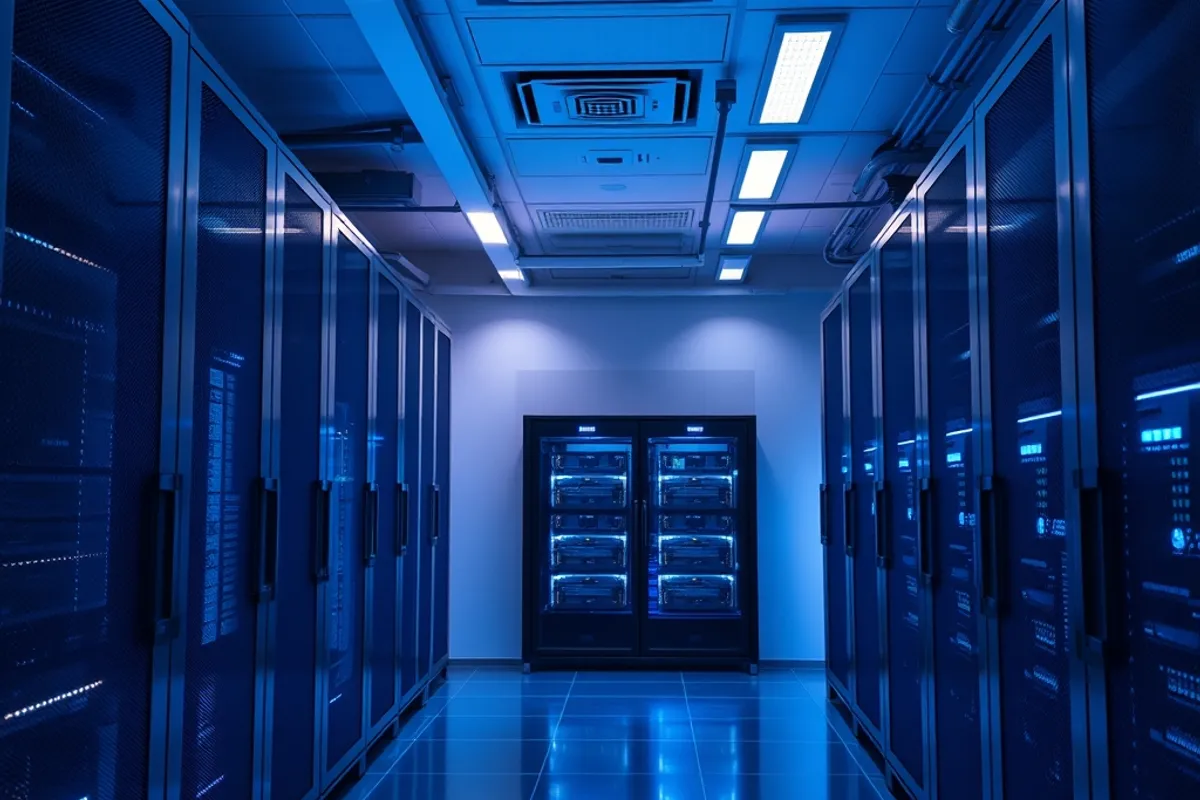
Smaller data centres are appearing near the places that use them. The latency gain is real, but so are the power, water and planning questions.

Passkeys are moving from optional extra to default login. The security gain is real, but account recovery is still the weak point.
Film, food, music and the small scenes that shape a city.
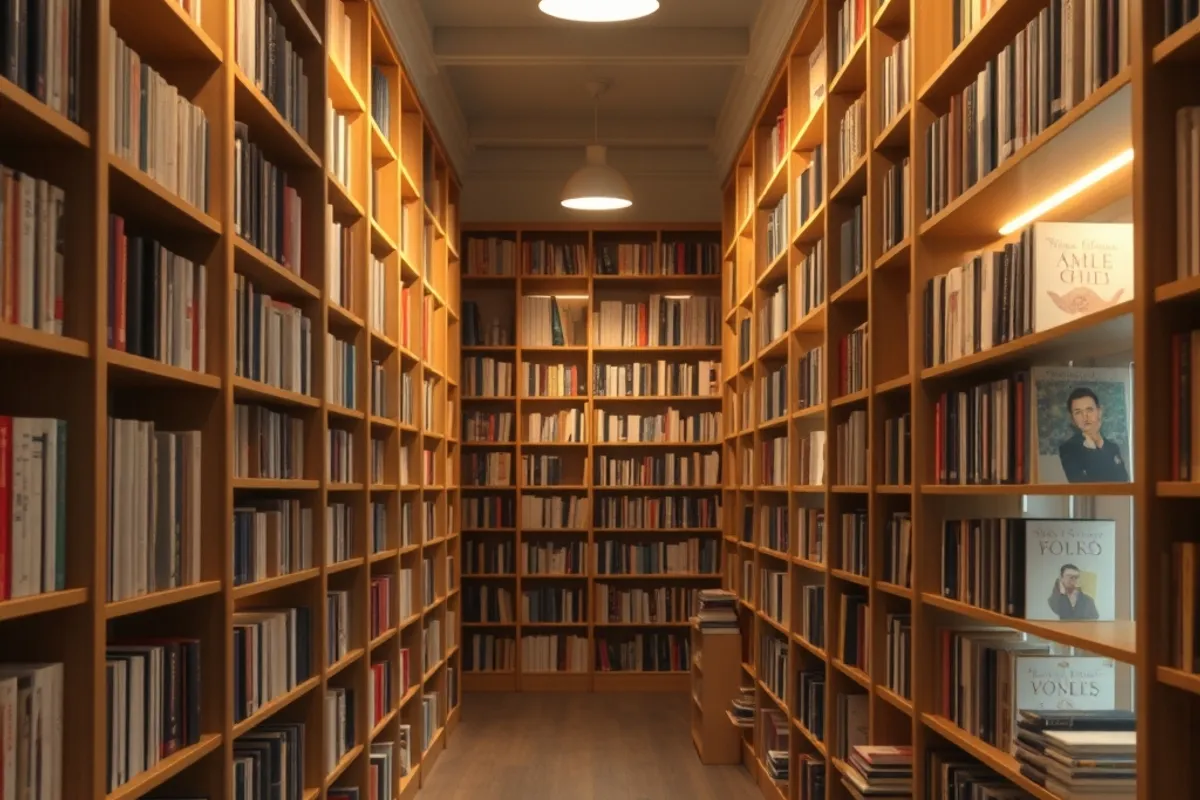
After years of closures, independent bookshops are opening again. Events, subscriptions and a sharp edit of the shelves are paying the rent, for now.
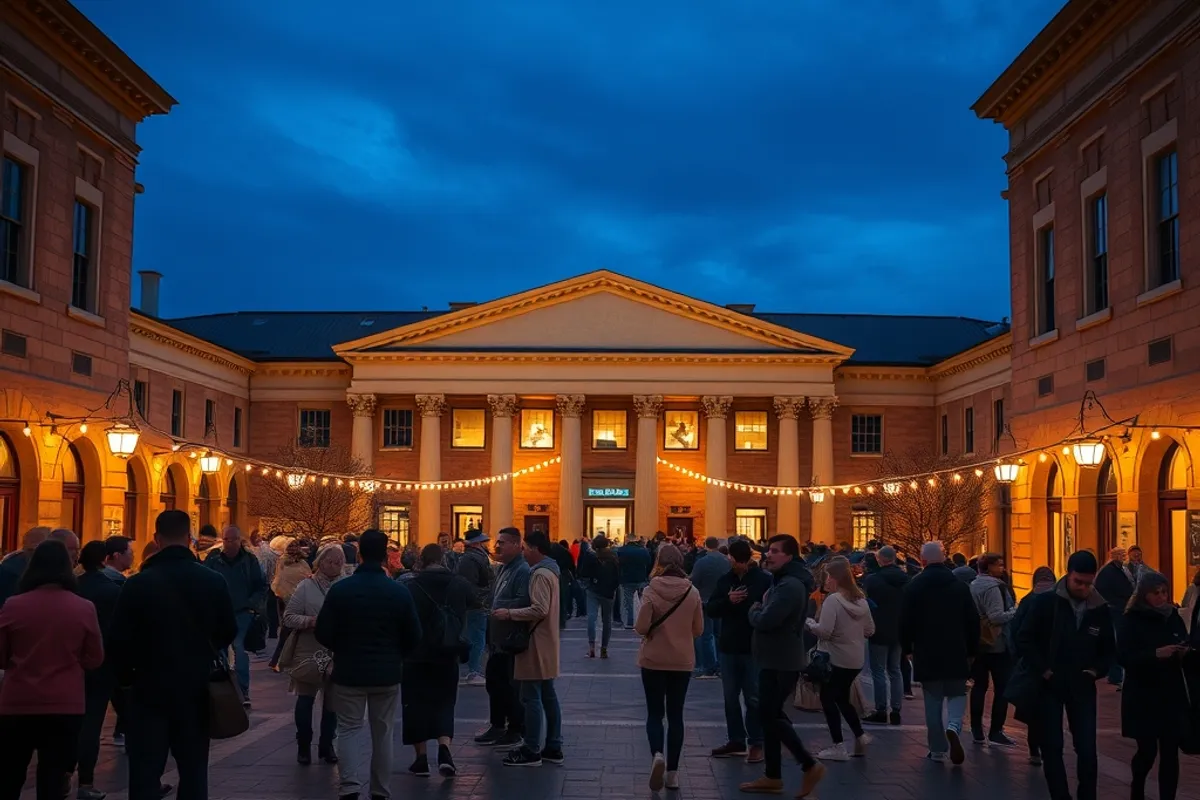
Museums that stay open late are drawing a younger, more local audience. The formula works, but it depends on staff, funding and a reason to return.
We start with primary documents. We name our sources. We publish the numbers and the dates behind them. We link to the records. We say what is still unknown. We correct errors in public. We do not accept paid placements. We keep news free to read. We test every claim twice. We follow the code of the Society of Professional Journalists.
Our five desks cover world affairs, politics, business, technology and culture. Each story names the people, the documents and the dates behind it. If a figure changes, we show the old number and the new one. Readers can check the work rather than trust a summary.