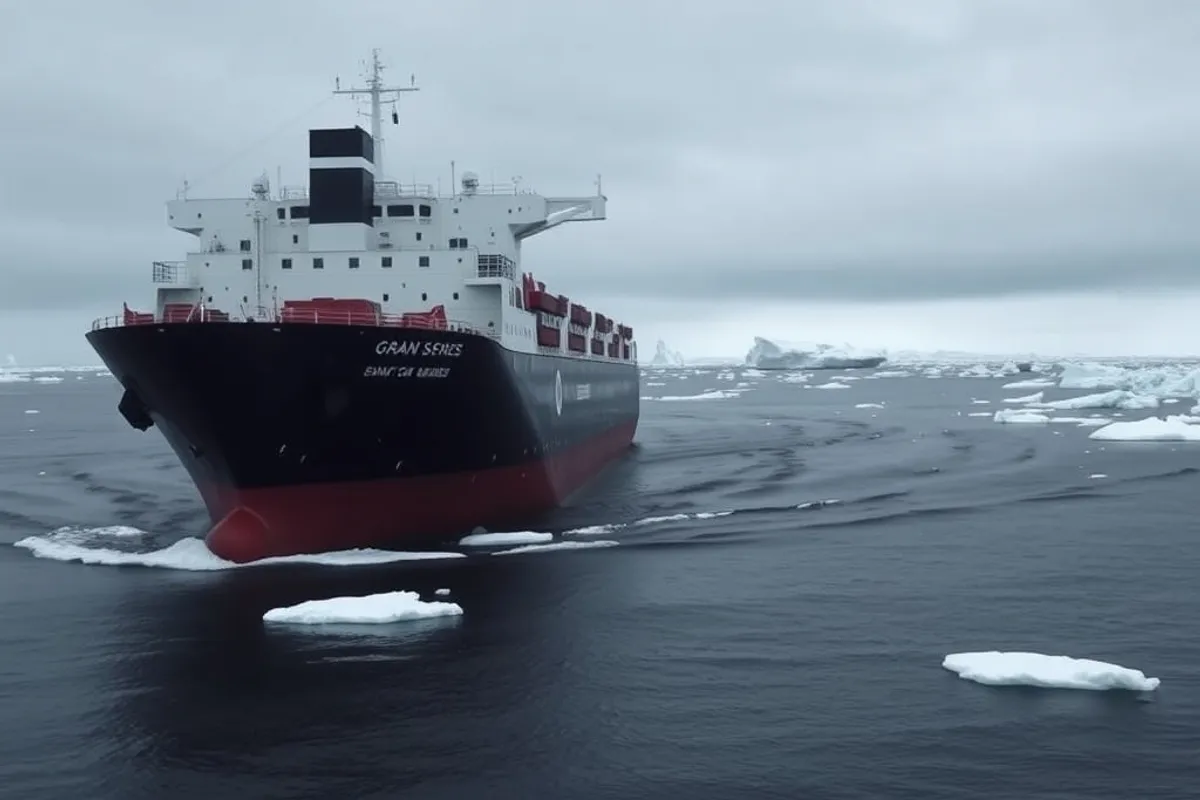
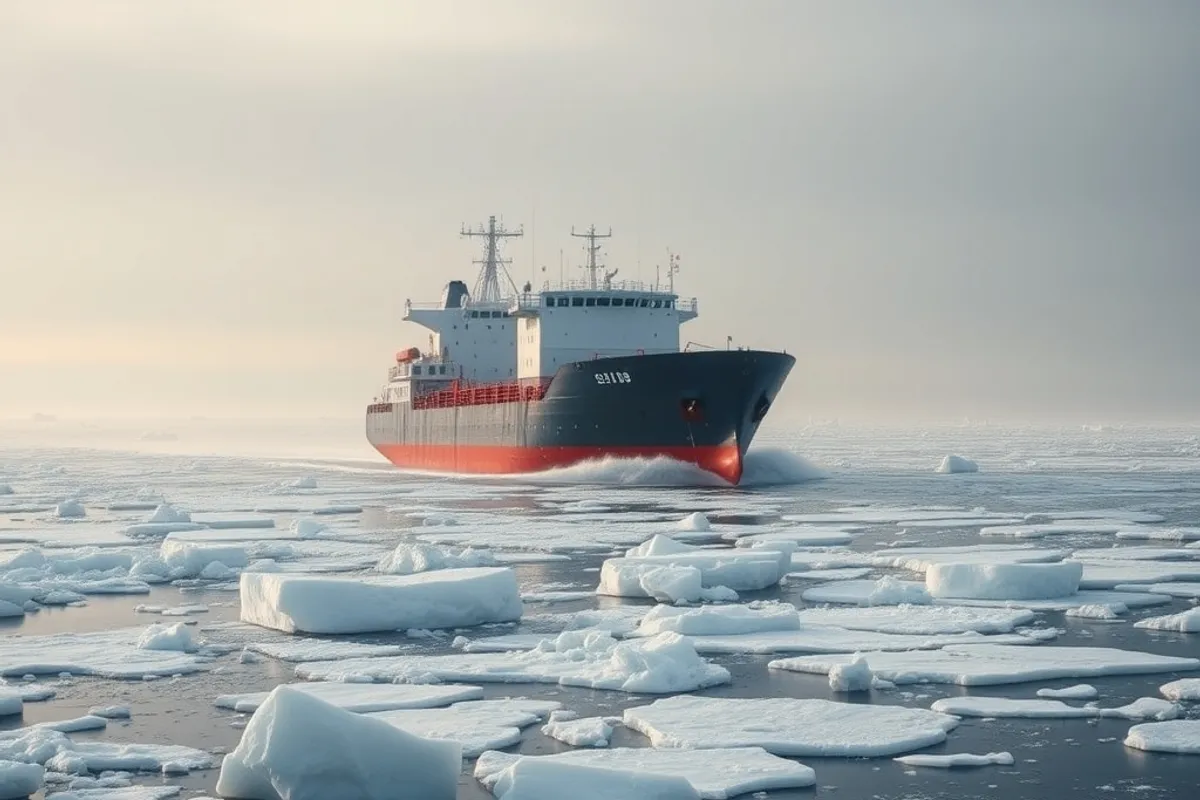
Cargo traffic through the northern sea route rose again in the 2026 season, and the season itself lasted longer. The ice retreated earlier in June and returned later in October, giving shipping companies a window that would have looked unusual a decade ago.
That does not make the Arctic a normal ocean. The route is still shallow in places, poorly charted in others, and far from the tugboats, ports and hospitals that make a busy shipping lane safe. We spoke to insurers, port agents and two coast guard officers about what the extra traffic actually means.
What changed this season
Three things stand out. The number of transit voyages rose by roughly a fifth compared with 2025. More of those voyages carried general cargo rather than oil and gas equipment. And the average vessel was smaller, which tells you that the route is being tested by mid-sized operators rather than only by energy majors.
The traffic is still tiny next to the Suez Canal. On a typical day in September, the northern route carried a few dozen vessels while thousands crossed the Indian Ocean. The point is not volume yet. It is that schedules, insurance contracts and port investments are beginning to assume the route will be there.
The insurance problem
Marine insurers price the Arctic in layers. Hull cover costs more because a grounded ship is hard to reach. Cargo cover costs more because a delayed delivery can spoil or miss a contract. Crew cover costs more because a medical evacuation may take days rather than hours.
Two brokers told us the biggest change in 2026 was not the headline premium but the conditions attached. Policies increasingly require a certain ice class, a named ice pilot and a satellite communication plan. A ship that ticks every box can still be refused cover if the forecast changes after departure.
Who monitors the water
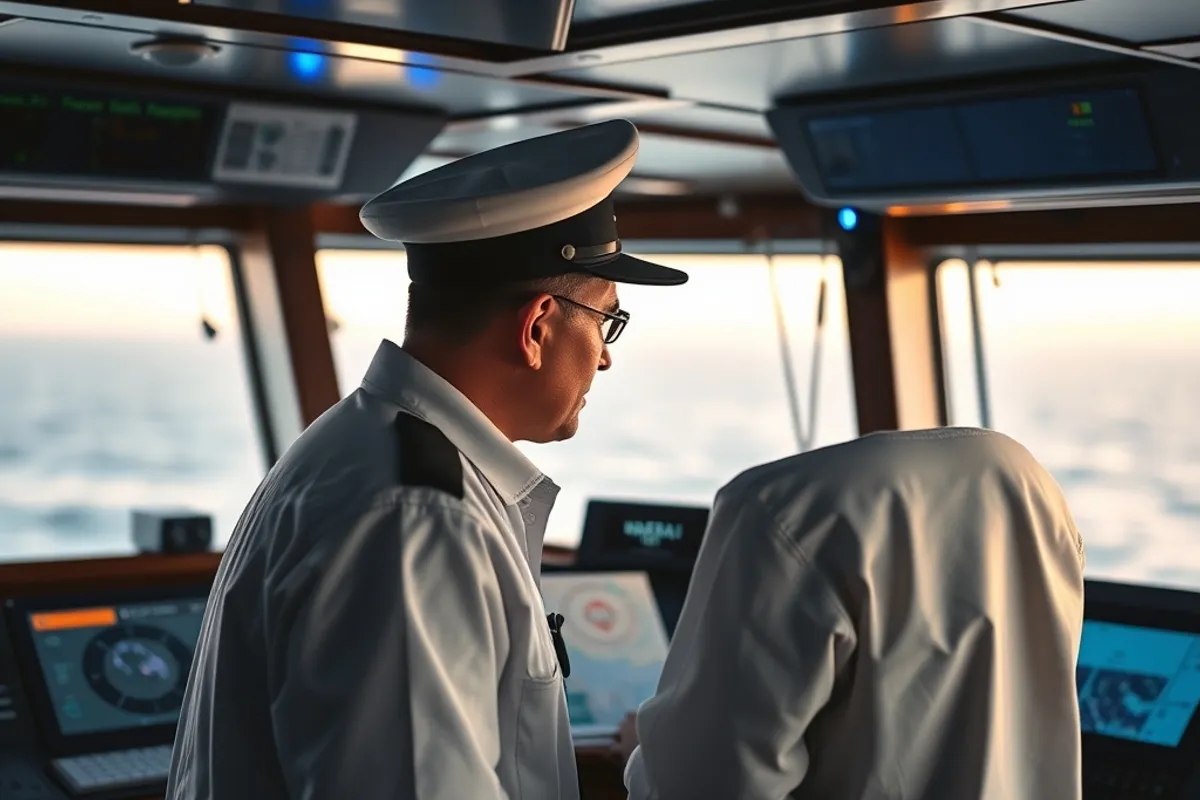
Satellites track ice and ships, but they do not pull anyone out of the water. Search and rescue remains a national responsibility, and the countries with the longest coastlines have the smallest budgets relative to the area they cover.
You can see a ship on a screen from a thousand kilometres away and still have no way to reach it before the weather turns. Monitoring is not the same as capacity.
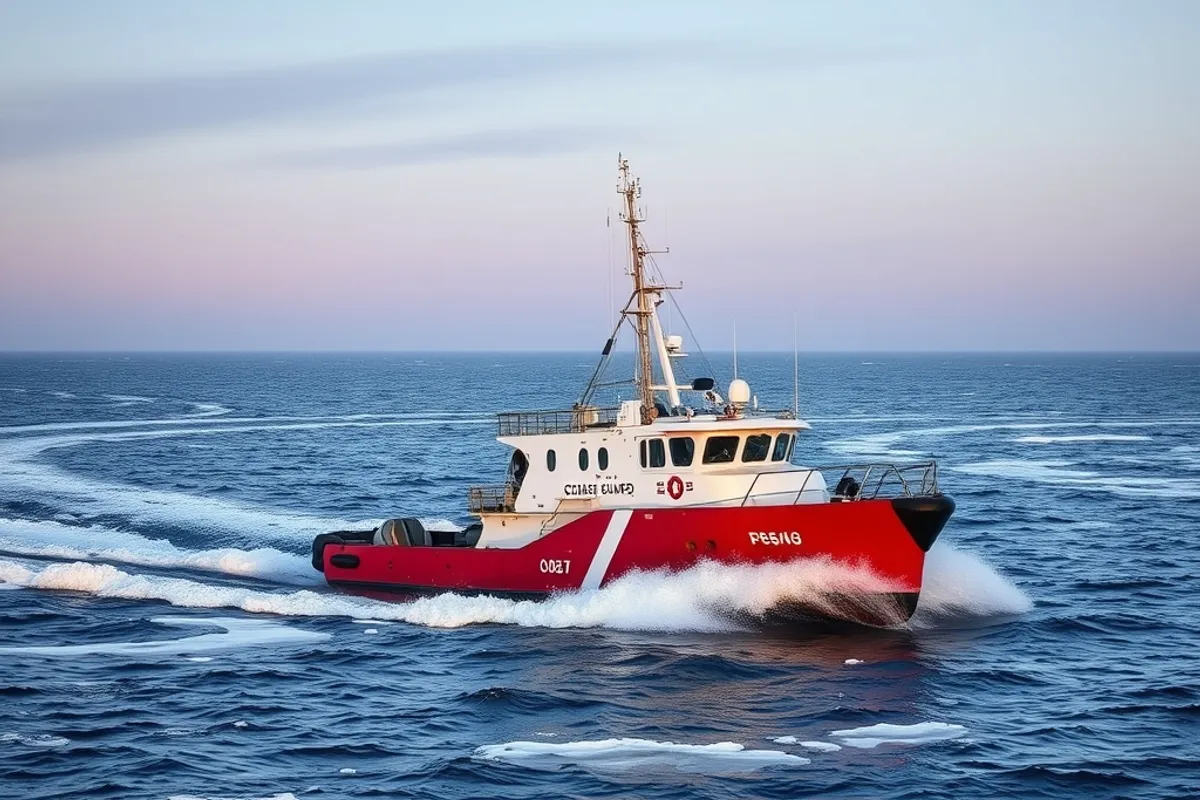
Coast guard officers describe a practical gap: helicopters that can reach a vessel in a storm, and patrol ships that can escort a damaged tanker. Those assets are expensive and slow to build, and none of the new route maps changes that arithmetic.
The port race behind the headlines
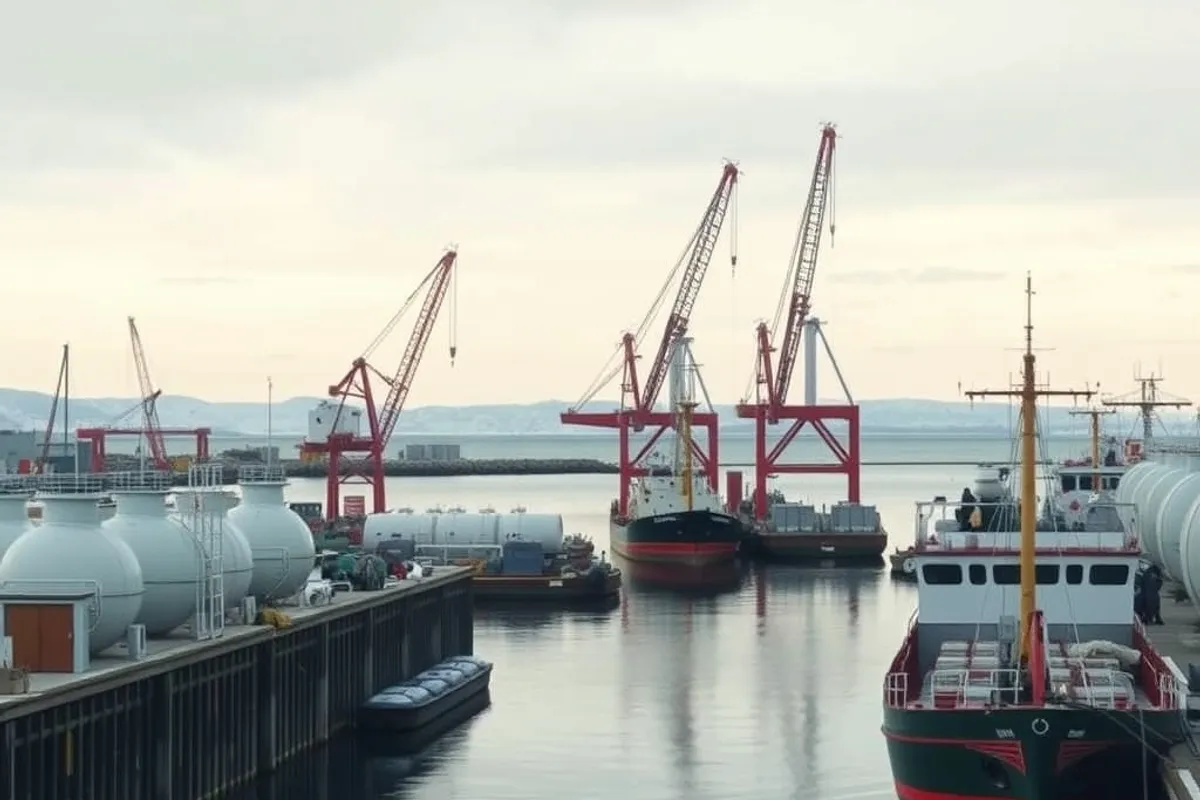
Several northern ports are expanding fuel storage and repair capacity. The bet is that a small share of a very large trade is still a meaningful business. The risk is building for a season that may shrink again if the ice behaves differently.
Local communities are caught in the middle. Port work brings income, but heavier traffic also brings noise, pollution and the chance of an accident near fishing grounds. Consultation has improved in some places and stalled in others.
Key facts
- Transit voyages rose about 20 percent against the 2025 season.
- The navigable window ran from early June to late October.
- Most new traffic is mid-sized general cargo, not energy equipment.
- Insurers now attach ice-class, pilot and satellite conditions to cover.
- Search and rescue capacity has not grown with the traffic.
What to watch next year
Watch three numbers: the share of voyages that carry non-energy cargo, the number of insurance refusals, and the average response time for a distress call. If the first rises while the other two stay flat, the route is maturing. If the first rises and the others worsen, the region is taking on risk it cannot yet manage.
The World desk tracks the agreements and the infrastructure behind them. For the commercial side, our Business section follows how freight costs reach shop shelves.
The bottom line
The Arctic is becoming a working sea route, not a reliable shortcut. The ice is thinner, the traffic is real, and the safety net is still thin. Companies that treat the route as a normal lane will eventually be surprised by the weather.