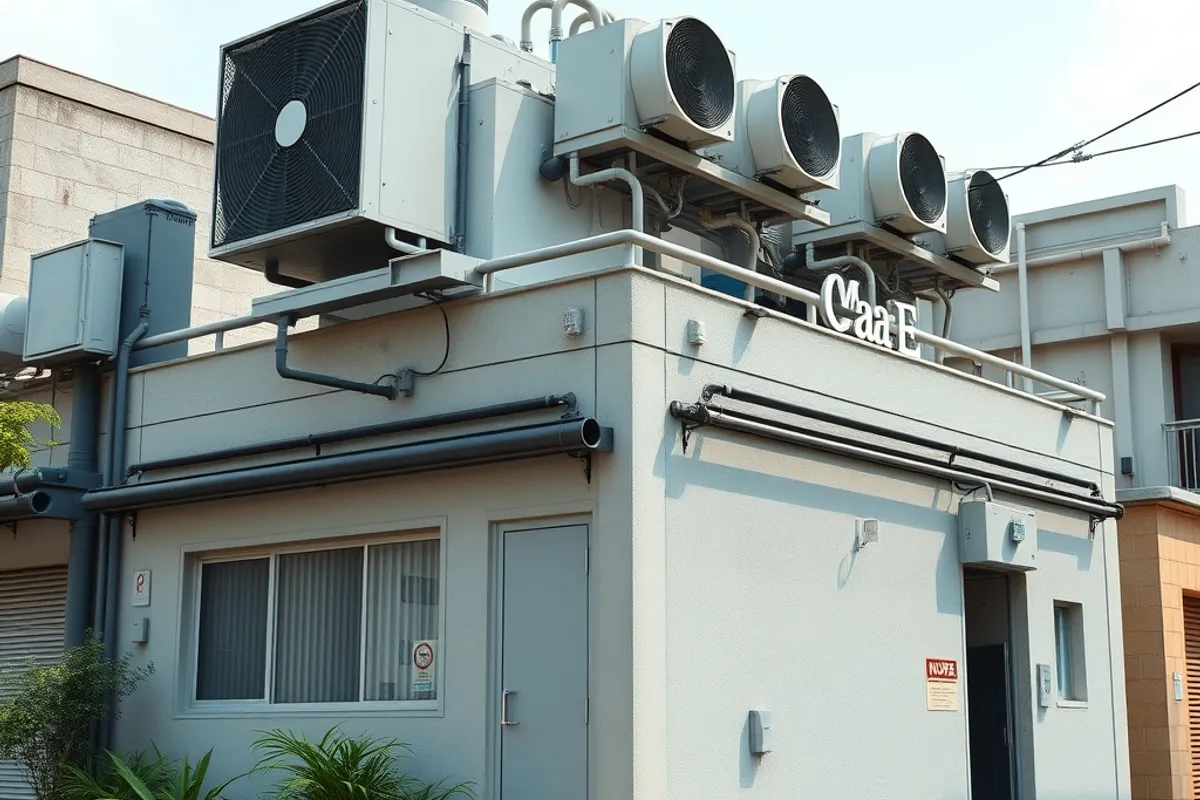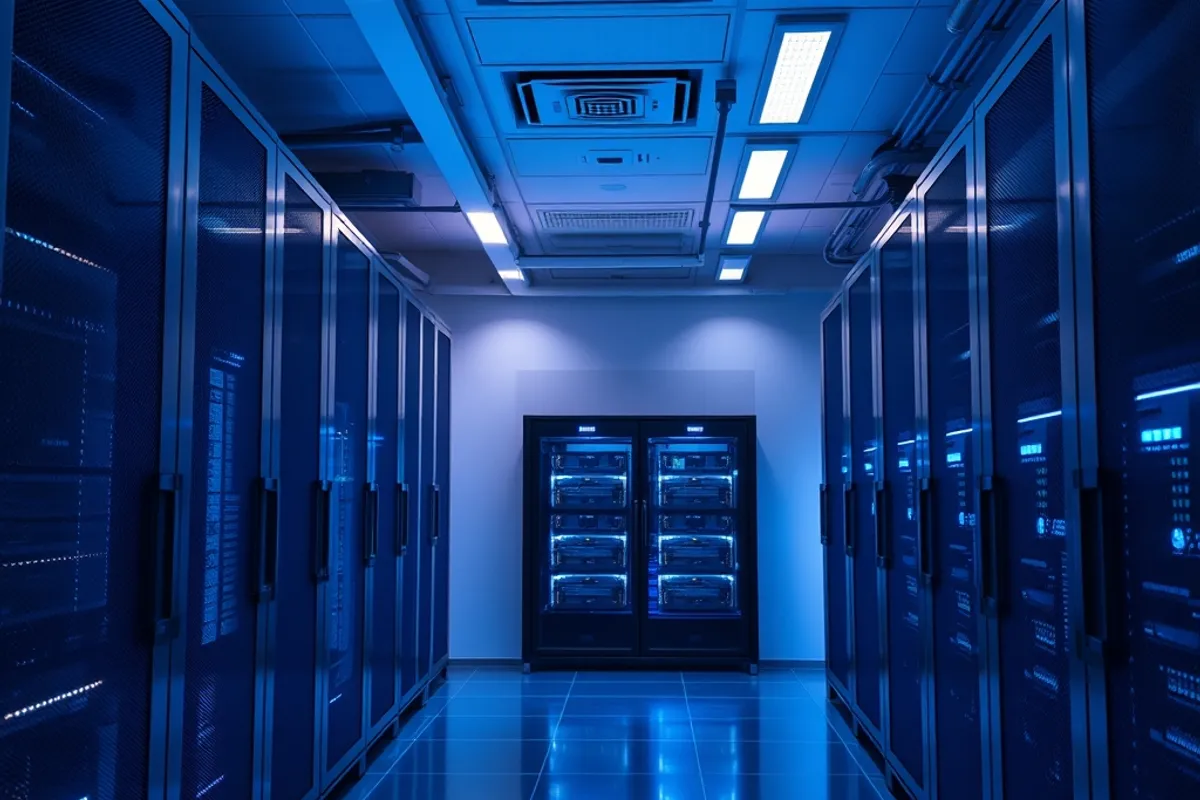
The data centre used to be a warehouse on the edge of a motorway, far from the people it served. In 2026 a different model is spreading: smaller facilities in cities, industrial parks and even the back of a retail unit, placed within a few milliseconds of the users they serve.
The shift is driven by latency, not by fashion. A factory robot, a hospital scanner or a live-streamed match cannot wait for a round trip to a distant region. Moving the compute closer cuts the delay and reduces the strain on the long-distance network.
What edge actually means
Edge is a broad label. It can mean a cabinet in a mobile mast, a container in a car park or a floor of a building in a business district. The common thread is proximity: the facility sits near the devices it supports and connects back to a larger cloud region for heavy work.
That split matters. A small edge site handles the immediate response, while the training, archiving and analytics happen elsewhere. The design is a hybrid, not a replacement for the hyperscale data centre.
The latency gain, measured
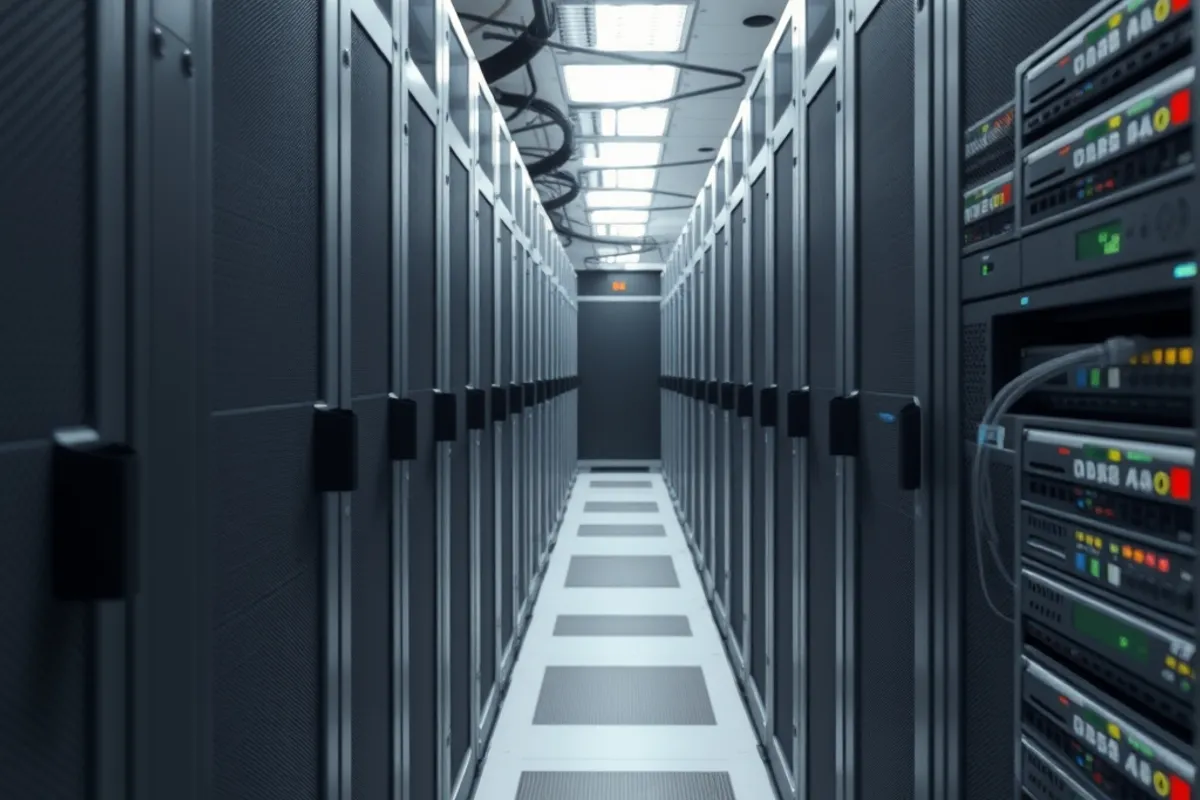
Engineers measure the benefit in milliseconds. For a video call, the difference is imperceptible. For an industrial control loop, it can be the difference between a smooth stop and a damaged machine. For a hospital imaging tool, it can change how quickly a specialist sees a scan.
The gain depends on the whole path, not just the distance. A nearby site with a slow backhaul can be worse than a distant site with a fast one. That is why the sales pitch focuses on the network as much as the building.
Proximity is not a guarantee of speed. A data centre two streets away is useless if the fibre between them takes the long way round.
Power and water in the neighbourhood
Edge sites use less power than hyperscale campuses, but they sit where the grid is already stretched. A cluster of small facilities can add up to the load of a large one, and the connection requests arrive one at a time rather than as a single planning decision.
Cooling is the other local issue. Some designs use air, some use liquid, and a few use water. In dense neighbourhoods, the noise from fans and chillers is a common complaint, and planning conditions increasingly require acoustic screening.
Key facts
- Edge sites are small facilities placed near users.
- They handle immediate responses and connect to a larger cloud region.
- Latency depends on the network path, not distance alone.
- Cluster power demand can equal a large campus.
- Noise and cooling are the main local planning concerns.
Who pays for the grid upgrade
When a site needs a bigger connection, the local network operator may have to reinforce a substation. The cost is shared through connection charges and, sometimes, through the general tariff. That is the point where a private project becomes a public question.
Several cities are now publishing a map of approved and proposed sites. The aim is to let residents see the cumulative load before the individual applications are decided. The maps are incomplete, but they are better than the silence that preceded them.
The bottom line
Edge computing is solving a real problem and creating a familiar set of local ones. The latency gain is worth having. The power, water and noise costs need to be planned together rather than one cabinet at a time.
Our Technology desk covers the infrastructure behind the tools. The Business section follows the investment and the energy bills.